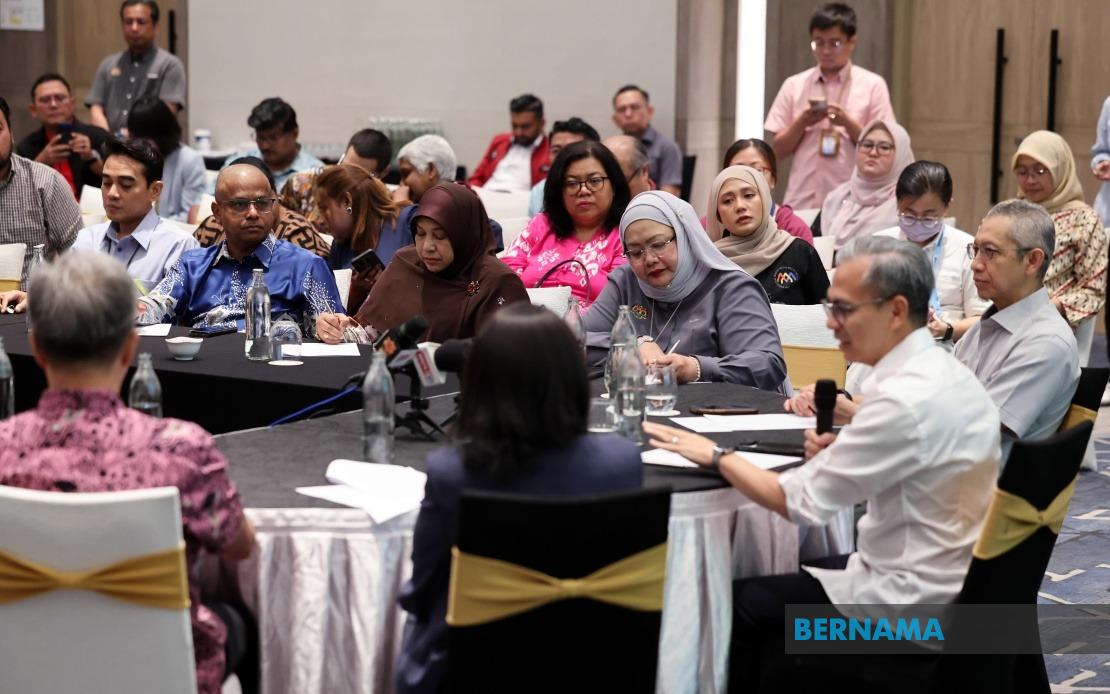
The HAWANA 2026 Summit has officially commenced at the PICCA@Arena Butterworth Convention Centre, welcoming media professionals and strategic partners from across Malaysia and the broader ASEAN region. The gathering marks a significant occasion for the journalism community, as representatives from multiple countries converge to address critical issues facing contemporary news media. The event's commencement signals renewed focus on regional collaboration in an increasingly interconnected media landscape where credibility and information integrity have become paramount concerns.
Attendees at the convention centre took advantage of the opening day to explore exhibition displays and view a dedicated photo gallery showcasing the evolution of Malaysian journalism. The informal atmosphere permitted journalists and media executives to engage with peers from competing organisations, creating opportunities for professional networking despite the demanding schedules many maintain throughout the year. These exchanges often yield valuable discussions on industry challenges and innovations, fostering informal channels of communication that extend beyond formal conference sessions.
The presence of representatives from ASEAN nations underscores the summit's regional significance and reflects growing recognition that media challenges transcend national borders. Countries throughout Southeast Asia face similar pressures regarding misinformation, declining public trust, and the rapid transformation of news consumption patterns. By bringing these voices together, HAWANA positions itself as a platform where shared experiences and best practices can be discussed openly, potentially yielding collaborative solutions to problems that affect the entire region's information ecosystem.
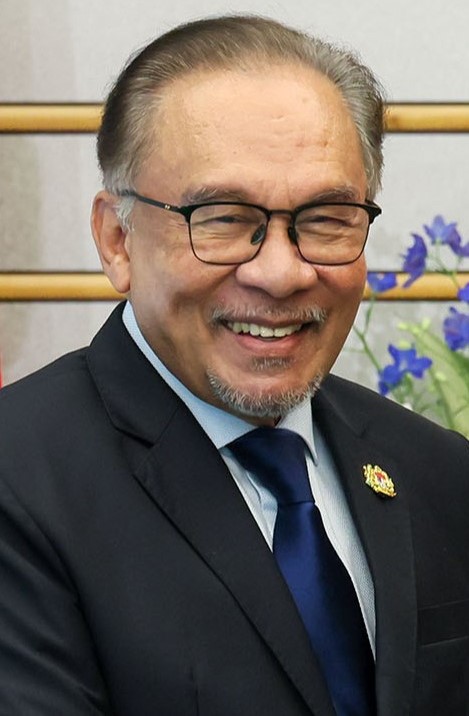
Prime Minister Datuk Seri Anwar Ibrahim will officially open the proceedings, lending considerable political weight to discussions about media freedom and journalistic standards. This level of government engagement acknowledges the vital role that credible journalism plays in supporting democratic institutions and informed citizenry. The prime ministerial participation also signals official recognition of the challenges facing the media industry and the government's commitment to supporting efforts that strengthen information quality across Malaysia.
Expectations suggest that approximately 1,000 media practitioners will participate in the full summit programme, making it a substantial gathering that encompasses journalists, editors, broadcasters, digital media professionals, and news executives. This scale of attendance creates a critical mass for meaningful dialogue and potentially influences industry-wide practices and standards. The sheer number of participants amplifies the summit's capacity to drive systemic change within the Malaysian media landscape and influence regional discussions about journalistic ethics and practices.
The organising structure reflects institutional commitment to the event's success. The Ministry of Communications has positioned Bernama, the Malaysian National News Agency, as the implementing body, leveraging the agency's established networks and credibility within the journalism community. This arrangement ensures that the summit draws on substantial organisational infrastructure and benefits from Bernama's institutional relationships with media organisations throughout Malaysia and the region. The choice of implementing agency signals that this initiative carries official endorsement and institutional resources.
The summit's central theme, 'Media Integrity Strengthens Credibility', directly confronts contemporary anxieties about news reliability and public trust in information sources. These concerns have intensified across Southeast Asia as misinformation spreads through social media platforms and traditional news outlets struggle to maintain audience confidence. By making integrity the thematic focus, HAWANA positions ethical journalism as fundamental to restoring public confidence in media institutions and supporting the functioning of informed democracies throughout the region.
Beyond the formal conference agenda, HAWANA serves a recognition function that celebrates the dedication and professionalism of individual journalists who work to provide accurate, verified information under challenging circumstances. The acknowledgment of these contributions carries symbolic importance, affirming that journalism remains a profession worthy of respect and support. In a regional context where journalists sometimes face harassment, legal threats, or economic pressures, such recognition reinforces the value that society places on independent reporting and rigorous fact-checking.
The summit's timing reflects ongoing concern about media credibility in Malaysia and across Southeast Asia. Recent years have witnessed increased scrutiny of news sources, growing polarisation around information sources, and erosion of trust in traditional media institutions. Against this backdrop, gathering the region's media leadership to explicitly discuss integrity and credibility represents an attempt to recalibrate professional standards and reassert journalism's commitment to serving the public interest. The conversation signals that the industry recognises challenges and is actively engaged in addressing them through dialogue and renewed commitment to core professional values.
For Malaysia specifically, the summit provides a platform to reinforce the country's position as a media hub within Southeast Asia and demonstrate the maturity of its journalistic institutions. By hosting this regional gathering and securing high-level government participation, Malaysia demonstrates confidence in its media landscape and commitment to supporting professional journalism. The event also offers opportunities for Malaysian journalists to engage with international best practices and bring insights from regional colleagues back to their own newsrooms and editorial teams.