The three-day National Journalists' Day celebration came to a successful close at the PICCA@Arena Butterworth Convention Centre in Penang, marking another milestone for Malaysia's media industry and underlining the sector's commitment to professional excellence and regional cooperation. The event, which drew nearly 1,000 media practitioners from Malaysia as well as international delegates from ASEAN nations including Indonesia, Cambodia and Timor-Leste, provided a crucial platform for the journalism community to reaffirm its dedication to responsible reporting and ethical standards.
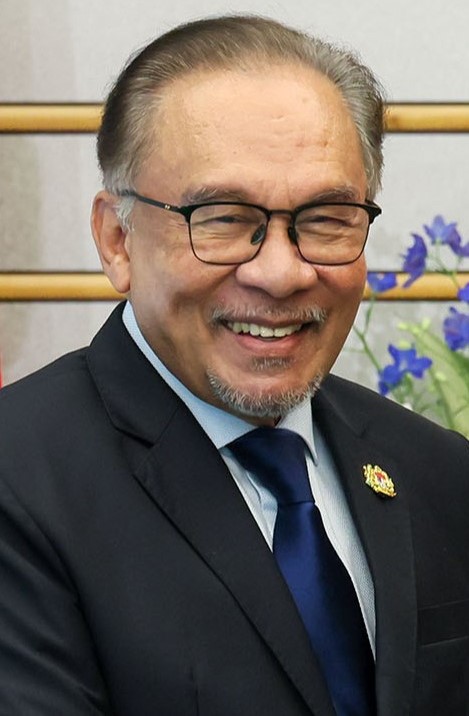
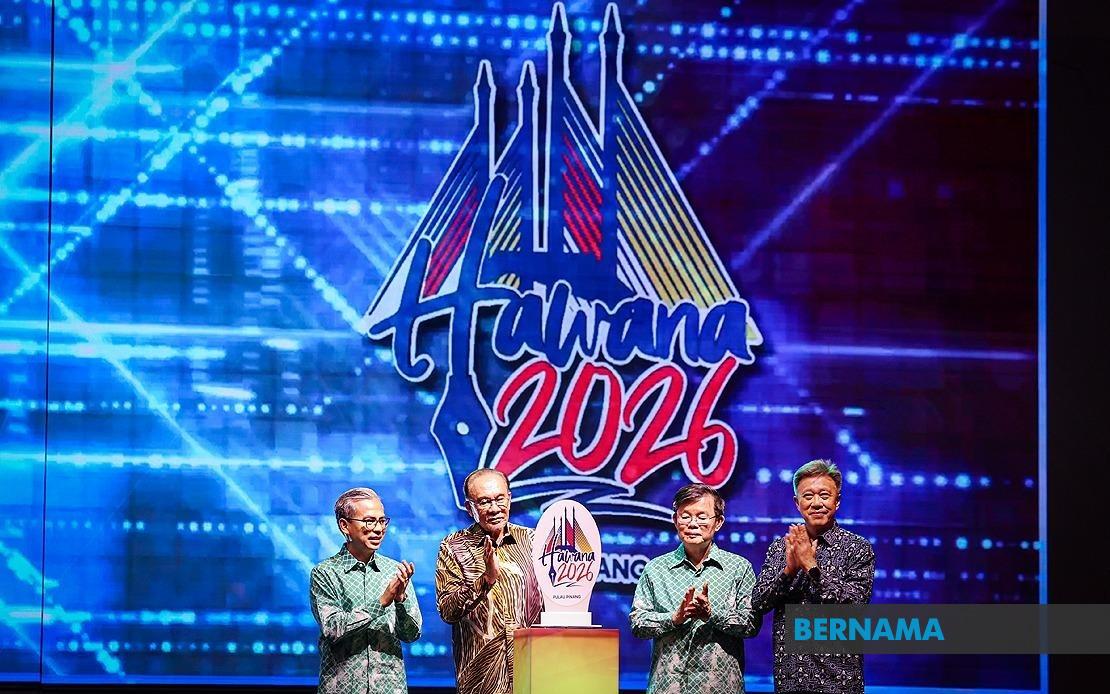
Operating under the banner "Media Integrity Strengthens Credibility," HAWANA 2026 received significant political endorsement when Prime Minister Datuk Seri Anwar Ibrahim officially inaugurated the main celebration, sending a powerful signal about the government's recognition of journalism's vital role in supporting democratic institutions and an informed citizenry. His presence at the event underscored the administration's commitment to fostering a media landscape grounded in integrity and transparency, issues increasingly vital as Southeast Asian democracies navigate complex information environments.
A highlight of the Prime Minister's participation was his announcement of an additional RM1 million injection into the Tabung Kasih@HAWANA welfare fund, demonstrating sustained government backing for media practitioners facing financial hardship. Beyond this financial commitment, Anwar reaffirmed that the Media Innovation Fund would continue supporting local news organisations seeking to modernise their operations and transition to digital platforms—a critical initiative given the accelerating digital transformation reshaping journalism across the region. These funding mechanisms reflect recognition that a healthy media ecosystem requires investment not just in reporting, but in the economic sustainability of newsrooms themselves.
The welfare fund, which has been operational since its introduction in 2023, has already provided crucial assistance to 773 media practitioners nationwide, distributing RM2.26 million in total support. During the HAWANA 2026 ceremony, the Prime Minister presented contributions to three beneficiaries, acknowledging the real struggles faced by individual journalists and media workers. Communications Minister Datuk Fahmi Fadzil further strengthened this safety net by announcing that Telekom Malaysia had joined as a strategic partner, committing RM500,000 to the fund—a meaningful gesture that signals private sector engagement with media welfare concerns.
Beyond financial support, HAWANA 2026 provided substantial recognition of journalistic achievement and excellence. Former Broadcasting director-general Datuk Suhaimi Sulaiman received the HAWANA Award this year for his outstanding contributions to broadcasting and journalism, celebrating his decades of professional dedication. More emotionally charged was the posthumous presentation of the Special HAWANA Award 2026 to Azlan Idris, the former head of Bernama Radio who passed away in January at age 57. The presentation of the award to Azlan's widow, Wan Syahrina Wan Abdul Rahman, created a poignant moment that reminded attendees of the personal dimensions behind institutional achievements—Azlan had been instrumental in establishing Bernama Radio in 2007 and had worked across multiple broadcasting outlets while playing key roles in organising multiple HAWANA editions.
A particularly significant development for regional media cooperation was the formalisation of a memorandum of understanding between Bernama, Malaysia's national news agency, and Timor-Leste's national news organisation, Agência Noticiosa de Timor-Leste (TATOLI). The signing, witnessed by both Prime Minister Anwar and Timor-Leste's Secretary of State for Social Communication Expedito Loro Dias Ximenes, exemplifies how professional journalism organisations across Southeast Asia are building institutional relationships to strengthen news gathering capabilities and share editorial standards. Such bilateral arrangements become increasingly important as the region confronts shared challenges including misinformation, digital security threats and the need to maintain professional standards amid technological disruption.
Parallel to formal proceedings, HAWANA 2026 hosted the RIUH Pi HAWANA Carnival, a three-day cultural celebration that concluded Sunday featuring performances by local acts and providing space for creative entrepreneurs and food vendors. This dimension reflected efforts to position journalism and media work as integral to broader cultural life rather than a narrow professional concern—approximately 24 local creative brands and 20 food and beverage vendors participated, alongside interactive workshops. The carnival's success, built through collaboration with the Communications Ministry and MyCreative Ventures' RIUH platform, demonstrated how national celebrations can generate broader economic activity while promoting creative industries.
The substantive work of the gathering, however, centred on professional development and industry discussion. The Malaysia Media Retreat 2.0, organised by the Malaysian Federation of Media Clubs, provided practitioners with opportunity for sustained reflection on sector challenges. Equally important was the Malaysian Press Institute's town hall titled "2035: Will Journalists Still Exist?"—a direct engagement with existential questions facing the profession as newsrooms shrink and business models collapse globally. Discussions with Communications Minister Fahmi Fadzil and separate forums hosted by the Malaysian Media Council created structured opportunities for dialogue between government, industry bodies and practitioners on key policy and professional matters.
Hosting HAWANA 2026 also delivered tangible benefits to Penang's economy and infrastructure profile. The event showcased the state's capacity to manage large-scale national conferences while generating tourism and hospitality revenues. A day before the main summit, Penang Governor Tun Ramli Ngah Talib hosted a recognition dinner for media practitioners from across Malaysia and ASEAN, bringing together nearly 350 guests including journalists, editors, senior media executives and state leaders. This ceremonial dimension emphasised that media work carries significance beyond commercial journalism—it remains fundamental to nation-building and regional cooperation.
The successful execution of HAWANA 2026 also demonstrated Bernama's institutional capabilities as organiser and national news agency. The event marked the first time in HAWANA's history that proceedings were broadcast live on television, a technical achievement reflecting modernisation of how professional journalism conferences reach broader audiences. That an in-house team managed such a large-scale event using internal expertise suggests confidence in Bernama's operational capacity during a period when the national news agency faces pressure to demonstrate relevance in a digital environment.
The three-day gathering occurred within broader context of media industry challenges across Southeast Asia. Questions about news organisation sustainability, the relationship between government and press, and professional standards in digital environments remain unresolved. HAWANA 2026's emphasis on integrity and credibility represents an assertion that journalism's core value proposition—reliable information, accountability reporting, and ethical standards—remains essential even as business models transform. For Malaysian media practitioners and regional journalists monitoring developments in the profession, the event offered reassurance that institutional commitment to journalism persists, even as the sector navigates profound structural change.
Looking ahead, the initiatives endorsed at HAWANA 2026—the welfare fund expansion, digital innovation support, regional cooperation through bilateral news agency agreements, and professional dialogue forums—suggest a strategy centred on supporting journalism through transition rather than abandoning the profession to market forces. Whether these mechanisms prove sufficient to sustain viable newsrooms across Malaysia and the region remains an open question, but HAWANA 2026 demonstrated that political leadership, media institutions and industry bodies recognise stakes involved in journalism's survival.