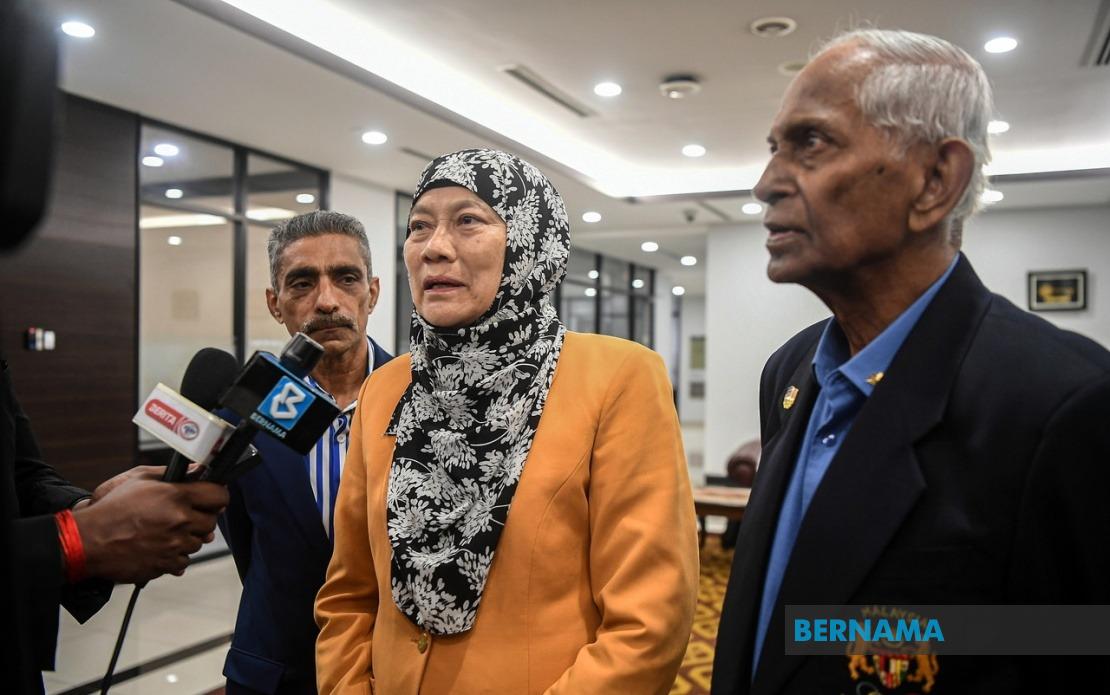
Datuk Zaiton Othman, a former Sports Commissioner and retired national athlete, has sounded an alarm over Malaysia Athletics' compliance with international regulations, warning that governance failures could expose the organisation to severe sanctions from the world governing body. Speaking after a meeting with Youth and Sports Minister Dr Mohammed Taufiq Johari at Parliament, Zaiton emphasised that any constitutional amendments or management decisions that deviate from World Athletics standards risk triggering suspension or outright cancellation of Malaysia Athletics' registration—a scenario with catastrophic implications for the sport domestically.
The consequences of such action would ripple far beyond administrative inconvenience. Should Malaysia Athletics lose its registration with World Athletics, the nation would be barred from organising athletics competitions at the 2027 SEA Games, which Malaysia is hosting. Simultaneously, Malaysian track and field athletes would find themselves ineligible to compete in any international events sanctioned by World Athletics, effectively isolating them from the global sporting calendar and derailing development pathways for aspiring competitors. This prospect strikes at the heart of national sporting pride, particularly given athletics' outsized contribution to medal tallies at regional championships.
Athletics occupies a uniquely important position within Southeast Asian competition, ranking among the top medal-producing sports at the SEA Games. The discipline yields 47 gold medals across its roster, encompassing marquee events like the 100-metre sprint and the 4x100-metre relay—races that command premium viewership and carry cultural significance across the region. For Malaysia, which hosts the 2027 Games, the prospect of being unable to field a competitive athletics programme or even stage the events would represent an embarrassing and costly blow to the host nation's credibility and the overall success of the Games.
Zaiton, nicknamed the 'Iron Woman' during her competitive career as a heptathlon athlete, framed the intervention as essential damage control. She explained that she and a delegation including Olympian Datuk Karu Selvaratnam and former National Athletes Welfare Foundation chairman Datuk Noorul Ariffin Abdul Majeed had approached the minister precisely because they feared that unresolved governance disputes could undermine athlete performance and career prospects. The group drew on extensive experience within Malaysia's sporting ecosystem, lending weight to their concern that structural compliance failures could create far-reaching fallout beyond the boardroom.
The backdrop to these warnings involves Malaysia Athletics' constitution, which currently contains provisions that diverge from World Athletics' own constitutional framework. In May, MA president Karim Ibrahim announced he would take a leave of absence until the association's Annual General Meeting, scheduled for later the same month, to facilitate the necessary constitutional amendments. This move acknowledged the structural misalignment between the national body's founding documents and international standards, signalling internal recognition of the problem—though observers question whether the pace of reform matches the urgency of the situation.
Karim Ibrahim's presidency has been shadowed by international scrutiny since 2018, when World Athletics suspended him from his position. The Court of Arbitration for Sport subsequently upheld that suspension, a decision affirmed through formal legal channels. Despite this sanction, Ibrahim has remained eligible to serve on the Asian Athletics Federation Executive Council through the current 2019-2023 term, a technicality that underscores the complex layers of governance spanning national, continental, and global levels. His return to direct leadership of Malaysia Athletics, even in light of this history, illustrates the tensions between domestic authority structures and international regulatory frameworks.
Zaiton's comments carry additional weight given Malaysia's constitutional and legislative framework. She noted that whilst the government cannot directly micromanage the day-to-day operations of sports associations, the Sports Development Act 1997 grants the Youth and Sports Ministry and the Sports Commissioner explicit authority to enforce compliance, reprimand non-conformity, and ensure that national sporting bodies operate within mandated regulatory parameters. This legal mechanism provides a pathway for intervention without breaching the principle of sports autonomy, a balance that Zaiton suggested may need activation if Malaysia Athletics does not accelerate reform.
The Reformation in Sports and Excellence (RISE) initiative, which Zaiton represented during her parliamentary meeting, underscores growing concern among veteran athletes and administrators about governance standards across Malaysia's sports sector. The delegation's decision to escalate the matter to ministerial level reflects anxiety that Malaysia Athletics' constitutional drift poses risks that extend beyond the organisation itself, touching on national competitive capability, athlete welfare, and the reputation of Malaysian sport on the international stage. The involvement of multiple former Olympians and sports administrators signals this is not a narrow institutional dispute but a matter of broader national sporting interest.
For Malaysian readers and sports stakeholders, the implications are multifaceted. At the athlete level, poor governance creates uncertainty about access to international competition, a critical pathway for talent development and career progression. For the nation preparing to host the 2027 SEA Games, it threatens to create a scenario where Malaysia cannot properly stage one of its own flagship sporting programmes. For sports administrators and federations beyond athletics, the situation offers a cautionary tale about the importance of maintaining compliance with international bodies that control access to global competition and events. The window for rectifying Malaysia Athletics' constitutional deficiencies appears limited, with the impetus now firmly on the association to demonstrate substantive reform rather than procedural window-dressing.