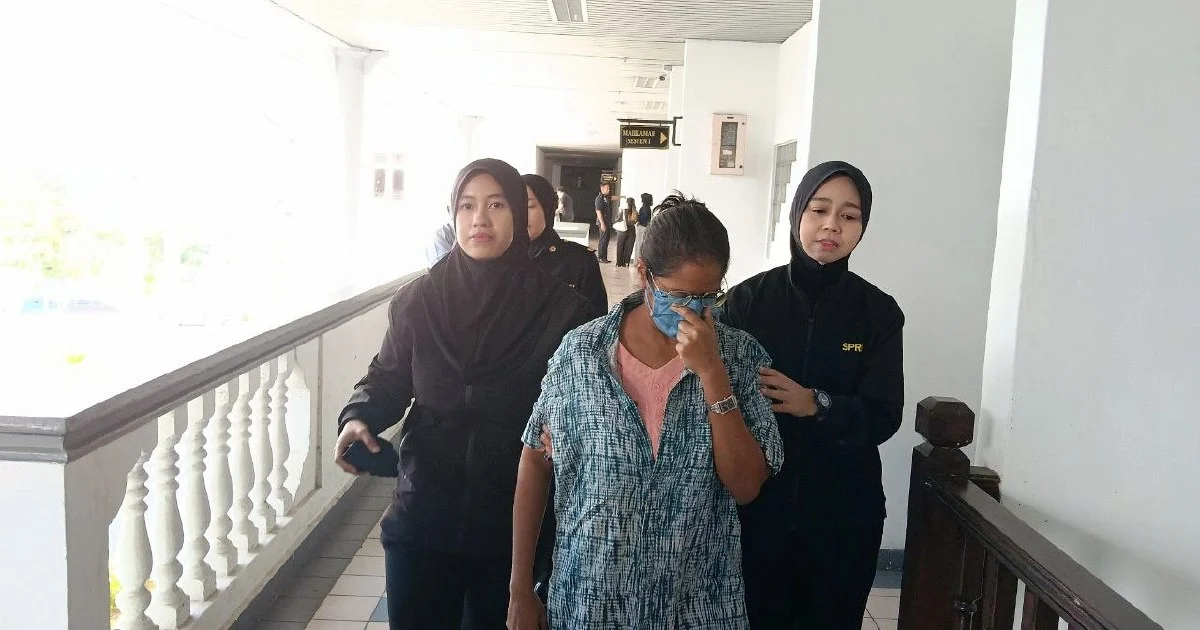
A former high-ranking administrator in Melaka's state civil service made an appearance at Ayer Keroh Sessions Court today to answer to serious allegations of financial misconduct. The accused faces seven distinct charges relating to the misappropriation of public funds and fraudulent deception of senior state executive council members, with the amount in question exceeding RM60,000.
The case underscores persistent concerns about financial oversight and accountability within state government structures across Malaysia. Melaka, as one of the nation's more administratively complex states given its relatively compact size and significant bureaucracy, has periodically encountered issues of financial impropriety among its civil service ranks. Such incidents reflect broader systemic challenges that extend beyond any single individual, touching on institutional weaknesses in transaction monitoring and approval mechanisms.
Misappropriation charges of this nature typically involve the conversion of public funds or government resources to personal use or unauthorised purposes. The involvement of state executive council members suggests that the accused may have held a position of sufficient seniority and trust to access or influence financial decisions, making the breach of that trust particularly grave from a governance perspective. The deliberate deception of exco members indicates a calculated effort to conceal wrongdoing rather than a simple administrative error.
The court proceedings at Ayer Keroh represent the formal commencement of the judicial process against the former official. The Sessions Court has jurisdiction over criminal cases of this magnitude, and the multiple counts suggest the prosecution has identified distinct instances of misconduct rather than treating this as a single consolidated offence. Each count carries the potential for separate sentencing, which could result in substantial cumulative penalties if the accused is convicted on all charges.
For Malaysian public administration, cases of this type carry significant implications. Corruption and financial mismanagement erode public confidence in government institutions and divert resources away from genuine development and service delivery. Melaka, like other states in the federation, relies on efficient and honest management of state finances to fund essential services including education, healthcare, and infrastructure maintenance. When senior officials breach their fiduciary duties, the impact reverberates through the entire state apparatus.
The RM60,000 figure, while substantial in absolute terms, may represent only the portion of misconduct that investigators and prosecutors could definitively establish and quantify. Financial investigations of this complexity often require forensic accounting expertise to trace funds through various accounts and transactions. The time lag between when misconduct occurs and when it is discovered, reported, and investigated can extend over months or years, complicating the evidentiary trail.
State governments across Southeast Asia have increasingly sought to strengthen their internal audit and financial controls mechanisms in response to high-profile corruption cases. Melaka, through its state government apparatus, will likely be compelled to examine its own systems to identify how these alleged infractions occurred and what preventive measures can be implemented. This may include enhanced approval thresholds, mandatory rotation of financial responsibilities, and more rigorous documentation requirements for officials handling significant sums.
The prosecution of a former state official carries educational value within the civil service. When public servants observe that misconduct results in criminal charges, court appearances, and potential imprisonment, it serves as a powerful deterrent against similar behaviour. Conversely, if cases languish without resolution or if punishments appear lenient, it can inadvertently signal that the consequences of dishonesty are manageable, thereby undermining accountability culture.
The executive council members mentioned in the charges represent the highest tier of state political decision-makers. Their deception suggests the accused deliberately misled individuals entrusted with oversight responsibilities. This distinction matters legally and morally, as it demonstrates a knowing and wilful effort to circumvent normal scrutiny rather than exploiting system blind spots through negligence alone.
The broader Malaysian context includes various anti-corruption initiatives at federal and state levels, including the Malaysian Anti-Corruption Commission's ongoing operations. However, state-level prosecutions through ordinary courts rather than specialist anti-corruption tribunals underscore how fraud cases operate within the conventional criminal justice system. This Melaka case will proceed through standard judicial channels, with the onus on prosecutors to prove each count beyond reasonable doubt.
For public servants currently employed across Melaka's state administration, this case provides a stark reminder of the personal and legal consequences of financial dishonesty. Civil service codes of conduct explicitly prohibit misappropriation and fraudulent dealing, and violation exposes officials not only to criminal prosecution but also to civil recovery actions and permanent career termination.
The outcome of this case will likely influence how future financial oversight is conducted within Melaka's state government and potentially serve as a reference point for similar cases in other Malaysian states. If convicted, the former official could face imprisonment and substantial fines, along with orders to make restitution of misappropriated funds. The judicial process will now determine whether the evidence supports the charges and what consequences the court deems appropriate.