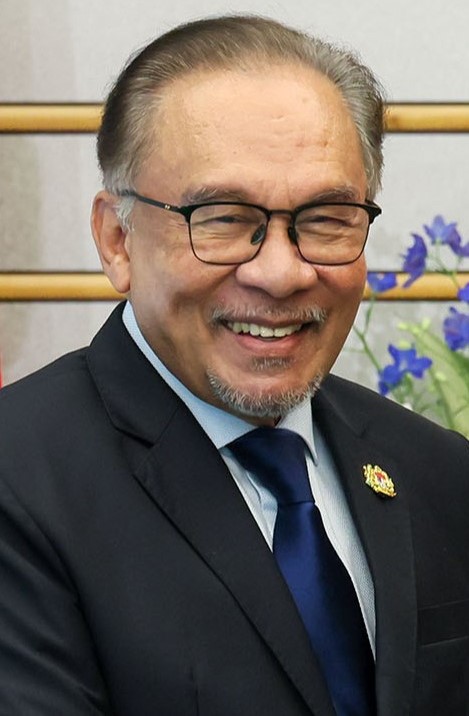
Datuk Dr Sahruddin Jamal, who previously served as Johor's menteri besar, has formally declared his intention to seek another term representing the Bukit Kepong state constituency. The decision comes as Johor gears up for its 16th state election, with polling day set for July 11. His announcement signals continuity in the political representation of the constituency, though it remains to be seen whether voters will rally behind his candidacy in what is shaping as a significant electoral contest for the southern state.
The timing of the election reflects the political dynamics in Johor, a state that has undergone considerable shifts in recent years. The Bukit Kepong seat, located in the Johor Baru district, remains a strategically important constituency within the state assembly. Sahruddin's decision to defend his seat demonstrates his confidence in his political standing and the support base he has cultivated within the constituency over his tenure.
Sahruddin's tenure as menteri besar was marked by his stewardship during a period when Johor navigated various economic and administrative challenges. His move to contest Bukit Kepong underscores the importance political leaders place on maintaining their grassroots representation, even as they transition from executive positions. This practice is common in Malaysian politics, where maintaining a state assembly seat provides a foundation for continued political influence and local advocacy.
The July 11 election date carries significance in Johor's political calendar and represents a key opportunity for voters to reassess their choices. For Sahruddin, defending the seat means engaging with constituents to demonstrate his accomplishments and articulate his vision for the area's development. The constituency encompasses both urban and semi-developed areas, presenting diverse needs that require targeted policy interventions.
Johor's electoral landscape has evolved considerably, with various political coalitions and parties vying for voter support across the state's 56 state assembly seats. The results of individual contests like Bukit Kepong will collectively shape the composition of the next state government. Political observers will be watching to determine whether seasoned politicians like Sahruddin can retain their seats or whether voters opt for fresh faces and alternative political directions.
The confirmation of Sahruddin's candidacy follows the typical pre-election pattern where established politicians publicly declare their intentions. Such announcements often occur through media engagements in major cities like Johor Baru, allowing for wider dissemination and setting the tone for campaign activities ahead. This formal confirmation provides clarity to party members, constituents, and political analysts regarding the electoral contest's direction.
From a broader perspective, the involvement of former chief executives in state assembly races reflects how Malaysian politics operates at the state level. The two-tier system—where separately elected representatives serve as menteri besar and state assemblymen—creates interesting dynamics. Some former chief executives maintain their assembly seats to stay politically active, while others transition entirely from the legislature. Sahruddin's approach suggests he values the direct connection with constituents that assembly representation provides.
The Bukit Kepong constituency's voters will ultimately determine the outcome of this contest. Understanding their priorities—whether economic development, infrastructure, education, healthcare, or social welfare—will be crucial for all candidates seeking their mandate. Sahruddin's previous experience in leadership positions may appeal to voters seeking continuity and established governance experience, though such considerations must be weighed against any desire for change or fresh perspectives.
The upcoming July 11 election represents a comprehensive reassessment of Johor's political direction. Sahruddin's decision to contest reinforces his commitment to serving the state and maintaining his political relevance. However, successful re-election will require more than past credentials; it will demand active engagement with current constituent concerns and a compelling articulation of future plans for Bukit Kepong and Johor as a whole.
As the election approaches, political parties across the spectrum will intensify their campaigns and candidate positioning. The stakes are considerable, both for individual politicians like Sahruddin seeking to maintain their positions and for the broader political coalitions competing for state government control. The Bukit Kepong race thus becomes emblematic of the larger political forces at play throughout Johor in this significant electoral cycle.