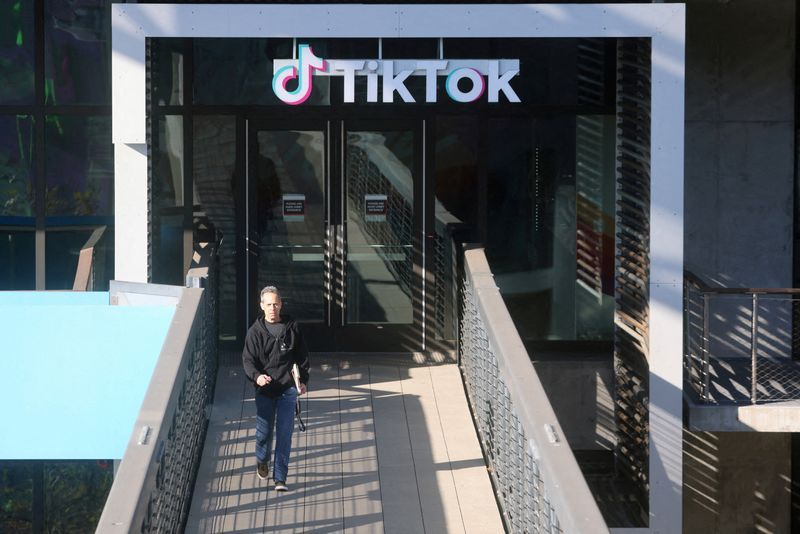
Florida's Republican attorney general James Uthmeier has commenced legal action against TikTok, contending that the video-sharing platform has breached a state statute prohibiting social media companies from enabling children younger than 14 to establish accounts. The case was filed in St. Lucie County state court, with allegations that TikTok deliberately misled parents about the extent of violent and sexual material accessible to young users on its service.
Uthmeier stated that TikTok's conduct represents a flagrant disregard for child welfare in pursuit of commercial gain. The legal challenge seeks an injunction requiring TikTok, owned by Chinese firm ByteDance, to modify its operations to comply with Florida regulations, along with monetary compensation. The state contends the platform's actions directly contradict Florida law and endanger children's wellbeing.
TikTok's representatives responded by noting that the company has been collaborating with state authorities and has begun suspending accounts belonging to Florida users under 14. The firm maintains it has implemented substantial safeguards to shield minors and plans to further enhance these protections in response to state requirements. TikTok indicated it will contest the allegations and defend its youth safety practices.
This action forms part of a broader assault on social media platforms across America. More than 25 state attorneys general have initiated separate proceedings against TikTok, primarily alleging the platform's design deliberately encourages addiction among young people, contributing to mental health deterioration. Beyond TikTok, Meta Platforms and its subsidiaries Facebook and Instagram face thousands of lawsuits from individuals and educational institutions regarding harm to young users.
Florida's legal foundation rests on statute H.B. 3, which became effective in January 2025 and mandates that platforms restrict access for those under 14 while requiring parental authorization for users between 14 and 16. The state previously pursued similar enforcement against Snapchat owner Snap in 2025, alleging the company marketed its service as appropriate for 13-year-olds despite facilitating access to pornography and illicit substances. Although a federal judge deemed the law unconstitutional, the ruling has been temporarily suspended pending appellate review, enabling Florida to continue enforcement.