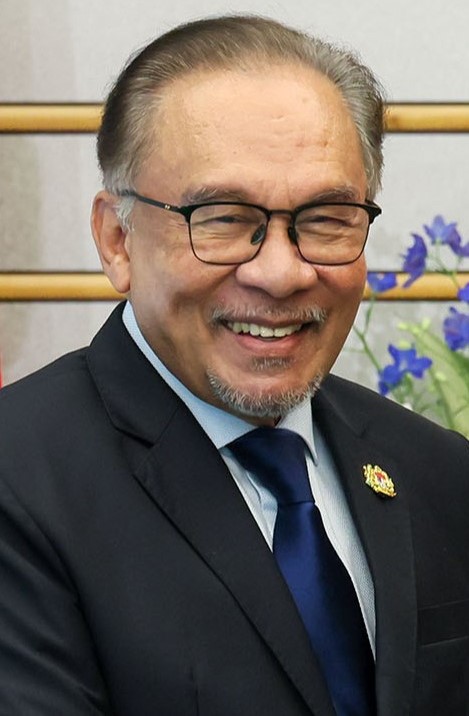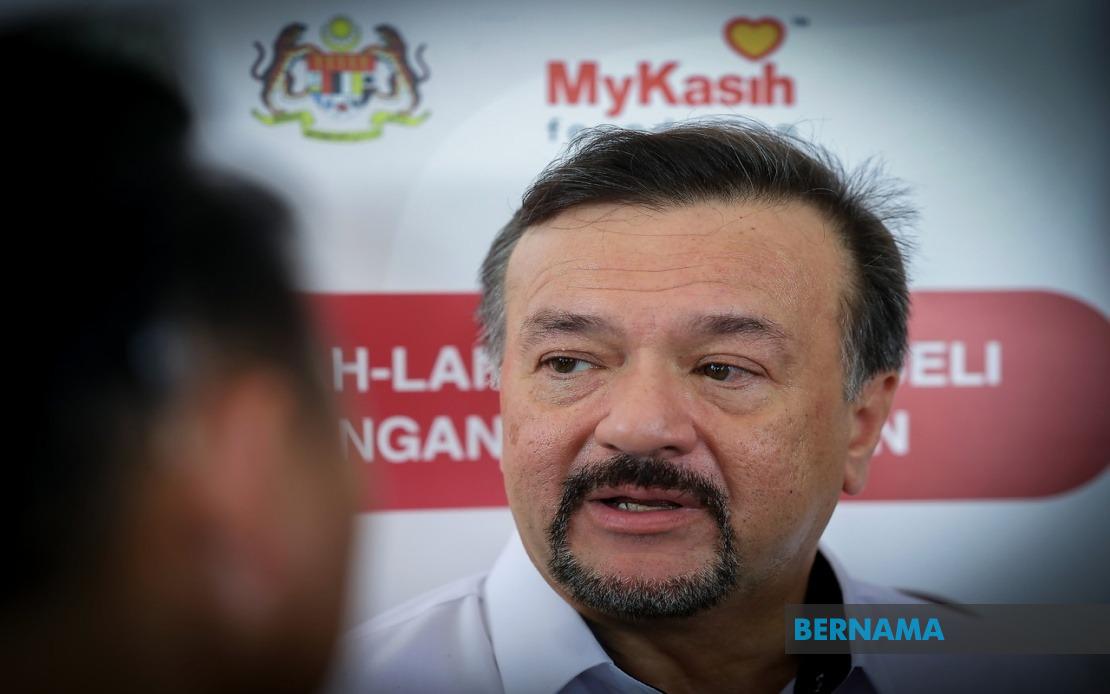
The Ministry of Finance has signalled flexibility in managing the BUDI MADANI Diesel subsidy scheme, with Finance Minister II Datuk Seri Amir Hamzah Azizan indicating that policymakers will scrutinise operational data before endorsing any programme modifications. Speaking at a media gathering in Kuching on June 24, Amir Hamzah stressed that the government remains receptive to feedback and proposals, though decisions would rest on empirical evidence of how the system actually functions in practice rather than on projection or complaint alone.
The BUDI Diesel initiative represents a continuation of the government's shift towards targeted fuel subsidies, replacing the previous universal subsidy model with one designed to concentrate support on those with genuine transportation requirements. Since its inception, the programme has generated discussion about whether existing quota limitations adequately serve users' needs, particularly in sectors where fuel consumption is operationally essential. The Finance Minister's comments suggest officials are taking such concerns seriously but want to allow sufficient operational time to assess whether initial parameters are genuinely problematic or whether usage patterns will naturally settle within anticipated parameters.
Amir Hamzah drew parallels with the rollout of the RON95 petrol subsidy scheme, which likewise faced criticism over quota constraints during its early phase. He revealed that data collected between January and May of this year demonstrates that fewer than one per cent of RON95 users—specifically 0.76 per cent—exceeded the 200-litre monthly threshold. This empirical finding underpins the government's confidence that similar reserve-setting assumptions may prove sound once the diesel programme gains full operational maturity and consumption patterns become clearer across diverse user categories.
The government's approach reflects a deliberate strategy of gathering intelligence before making structural shifts to subsidy architecture. Rather than reactively raising quota limits in response to early criticism, officials prefer to establish baseline usage metrics, identify which demographic and occupational segments encounter genuine constraints, and then implement precision adjustments targeting those proven shortfalls. This methodical stance differs markedly from previous subsidy regimes where broad increases were implemented without rigorous demand analysis, often resulting in inefficient fiscal expenditure.
Parallels with the e-hailing sector illustrate how this data-driven philosophy translates into operational adjustment. When the government introduced a targeted subsidy scheme for ride-sharing drivers, initial feedback suggested allocated fuel quotas were insufficient for drivers operating longer shifts or covering greater distances. Rather than abandoning the programme or immediately doubling all quotas, the Finance Ministry examined consumption records submitted by e-hailing companies, identified genuine usage variations among drivers, and implemented a tiered quota system with two distinct levels—600 litres and 800 litres monthly—assigned according to verified fuel consumption patterns. This calibrated approach achieved dual objectives: extending targeted support to operators with authentic high-consumption requirements whilst maintaining fiscal discipline by avoiding blanket increases that would benefit operators whose actual needs aligned with standard allocations.
The BUDI Diesel programme reflects broader regional trends toward subsidy rationalisation. Throughout Southeast Asia, governments grapple with escalating fuel subsidy costs at a time when fiscal pressures intensify across multiple sectors. Malaysia's transition from universal to targeted mechanisms aligns with similar initiatives undertaken by neighbouring economies seeking to preserve subsidy benefits for vulnerable populations whilst constraining budgetary exposure. For Malaysian policymakers, the success or failure of programmes like BUDI MADANI holds significance beyond immediate fuel-price politics; these initiatives serve as proof-of-concept for whether sophisticated targeting mechanisms can be operationally sustained at scale within the regional context.
Works Minister Datuk Seri Alexander Nanta Linggi's presence at the media briefing underscores the cross-ministerial nature of fuel subsidy design, with transport infrastructure considerations intertwined with fiscal policy. The transport sector represents a critical consumption category under the BUDI Diesel framework, and coordination between Finance and Works Ministries ensures that subsidy parameters align with transportation sector realities and infrastructure development objectives. This institutional collaboration reflects recognition that fuel subsidies cannot be designed in fiscal isolation; they necessarily interact with transport policy, sectoral competitiveness, and investment planning across the economy.
For small businesses and transport operators—constituencies directly affected by diesel subsidy settings—the government's stated openness to revision based on usage data offers both reassurance and clarity of process. Rather than facing arbitrary quota changes driven by political pressure, stakeholders can understand that requests for adjustment will undergo scrutiny against consumption evidence. This transparency potentially reduces uncertainty that might otherwise discourage business investment or operational planning. Simultaneously, the government protects itself against expenditure spirals resulting from politically expedient quota increases bearing no relationship to demonstrated need.
The timing of these statements reflects broader economic circumstances facing Malaysia. Energy costs constitute significant input expenses across manufacturing, logistics, and agricultural sectors, all critical to Malaysia's regional economic position. Subsidy calibration thus carries implications beyond simple consumer relief; it influences sectoral competitiveness and the cost structure facing Malaysian producers competing in regional markets. By adopting evidence-based adjustment mechanisms rather than formulaic or politically reactive approaches, policymakers signal commitment to subsidy regimes that genuinely support economic performance rather than merely distributing fiscal resources.
Looking forward, the government's declared willingness to review the BUDI Diesel programme contingent upon usage data creates a framework where programme evolution remains possible without requiring wholesale policy reversals. This flexibility may prove particularly valuable if unforeseen circumstances—such as significant changes in fuel prices, transport demand patterns, or sectoral composition—render initial quota assumptions outdated. By anchoring modifications to empirical evidence rather than anecdotal complaint, Malaysian authorities establish methodological precedent that could inform subsidy design across other sectors and potentially influence subsidy policy approaches adopted by neighbouring governments observing Malaysia's experience.
The emphasis on data-driven decision-making also reflects international pressure on governments to demonstrate fiscal responsibility in subsidy administration. International financial institutions and rating agencies scrutinise subsidy programmes as indicators of budgetary discipline and economic management credibility. Malaysia's commitment to basing BUDI Diesel modifications on verified usage patterns rather than defaulting to politically convenient across-the-board increases positions the programme as an example of disciplined subsidy governance, potentially supporting broader perceptions of Malaysia's fiscal maturity and policy consistency among international stakeholders.