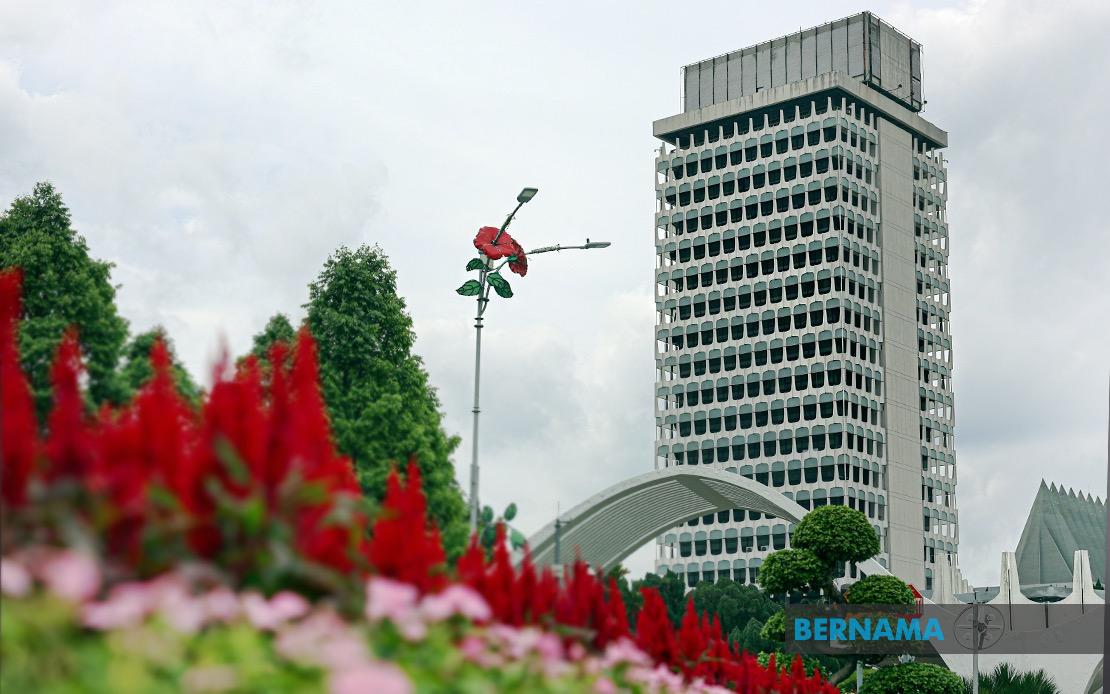
Malaysia's legislative agenda has moved forward with His Majesty Sultan Ibrahim, King of Malaysia, granting formal royal assent to eight bills that navigated through Parliament during the initial gathering of the fifth session held between January 19 and March 3. The announcement came from Dewan Rakyat Speaker Tan Sri Johari Abdul during parliamentary proceedings, signalling the completion of a key procedural milestone in the country's lawmaking process.
Among the measures receiving approval was the Government Procurement Act 2025, a piece of legislation designed to reshape how public institutions acquire goods and services. This act represents an important governance framework that will influence spending across federal and state agencies, touching procurement practices from defence and healthcare through to education and infrastructure development. The modernisation of procurement rules carries significant implications for Malaysia's business ecosystem, particularly for small and medium enterprises seeking contracts with government entities.
Immigration-related reforms also secured royal assent through two separate enactments: the Immigration (Amendment) Act 2025 and the Passports (Amendment) Act 2025. These amendments address the evolving needs of Malaysia's immigration system, which has faced increasing pressure from regional migration patterns, cross-border travel demand, and security considerations. For Malaysian citizens and foreign nationals conducting business or residing in the country, these amendments will translate into updated procedures and documentation requirements.
The International Settlement Agreements Resulting from Mediation Act 2025 introduces a legal framework for recognising and enforcing international settlement agreements reached through mediation processes. This legislation positions Malaysia within the global dispute resolution landscape, aligning with international standards for alternative dispute resolution mechanisms. The measure holds particular relevance for commercial entities navigating cross-border transactions and for Malaysia's standing in regional business networks where mediation-based settlements have become increasingly prevalent.
A centrepiece among the approved legislation is the Johor Bahru-Singapore Rapid Transit System (RTS) Link Act 2026, which formalises the legal foundation for the ambitious transport corridor connecting Johor Bahru with Singapore. This Act crystallises the binational infrastructure ambitions that have been discussed for several years, establishing the statutory framework necessary for construction and operation of the transit system. For the Johor Bahru metropolitan region and southern Malaysian communities, the RTS Link represents potential transformation in connectivity, economic integration with Singapore, and urban development patterns.
The Capitation Grant Act 2026 establishes mechanisms for per-capita funding distributions, a critical tool for ensuring equitable resource allocation across Malaysia's diverse education landscape and potential health or social service systems. Capitation grant frameworks directly influence how educational institutions receive operational funding, affecting everything from teacher recruitment to facility maintenance across the country's schools. The legislation recognises that uniform funding approaches may not adequately serve communities with varying demographic and socioeconomic profiles.
Environmental considerations received legislative attention through the Environmental Quality (Amendment) Act 2026, which updates Malaysia's environmental protection framework. Given the country's commitment to sustainable development and regional environmental leadership, amendments to environmental quality legislation address contemporary challenges including air and water quality management, hazardous waste handling, and pollution control standards. These revisions reflect evolving scientific understanding and Malaysia's obligations under international environmental agreements.
Fiscal governance was addressed through the Supplementary Supply (2025) Act 2026, which authorises additional government spending beyond the primary budget allocation. Supplementary supply acts provide flexibility for responding to unforeseen circumstances, emergency expenditures, or revised priority assessments during the financial year. The passage of this legislation enables the government to address budgetary gaps and allocate resources to emerging needs without waiting for the next formal budget cycle.
Additionally, Speaker Johari informed Parliament that the Employment Insurance System (Amendment) Bill 2025 had progressed through the Dewan Negara upper chamber, with amendments specifically modifying Clause 11. This bill addresses Malaysia's employee protection framework, refining how workers are insured against income loss through unemployment or disability. The amendments indicate careful legislative scrutiny focused on ensuring the employment insurance mechanism effectively protects Malaysia's workforce while remaining operationally sustainable for employers and the state.
The cluster of approvals demonstrates Parliament's capacity to address multiple policy domains spanning governance, infrastructure, social protection, and environmental stewardship. The breadth of legislation reflects Malaysia's need to simultaneously modernise administrative systems, invest in major infrastructure projects, strengthen social safety nets, and enhance environmental protections. For business leaders, civil servants, and ordinary Malaysians, these eight acts will collectively reshape regulatory environments and service delivery across numerous sectors in the coming years.
%22%2F%3E%3C%2Fpattern%3E%3C%2Fdefs%3E%3Crect%20width%3D%22100%25%22%20height%3D%22100%25%22%20fill%3D%22url(%23ph48iprg)%22%2F%3E%3Crect%20width%3D%22100%25%22%20height%3D%22100%25%22%20fill%3D%22url(%23ph48iprp)%22%2F%3E%3Ctext%20x%3D%2250%25%22%20y%3D%2250%25%22%20text-anchor%3D%22middle%22%20dominant-baseline%3D%22central%22%20fill%3D%22rgba(255%2C255%2C255%2C0.95)%22%20font-family%3D%22Georgia%2C%20'Times%20New%20Roman'%2C%20serif%22%20font-weight%3D%22700%22%20font-size%3D%22272%22%20letter-spacing%3D%22-0.02em%22%3EAnwar%3C%2Ftext%3E%3C%2Fsvg%3E)
%22%2F%3E%3C%2Fpattern%3E%3C%2Fdefs%3E%3Crect%20width%3D%22100%25%22%20height%3D%22100%25%22%20fill%3D%22url(%23ph2qtuog)%22%2F%3E%3Crect%20width%3D%22100%25%22%20height%3D%22100%25%22%20fill%3D%22url(%23ph2qtuop)%22%2F%3E%3Ctext%20x%3D%2250%25%22%20y%3D%2250%25%22%20text-anchor%3D%22middle%22%20dominant-baseline%3D%22central%22%20fill%3D%22rgba(255%2C255%2C255%2C0.95)%22%20font-family%3D%22Georgia%2C%20'Times%20New%20Roman'%2C%20serif%22%20font-weight%3D%22700%22%20font-size%3D%22272%22%20letter-spacing%3D%22-0.02em%22%3EJohor%3C%2Ftext%3E%3C%2Fsvg%3E)
%22%2F%3E%3C%2Fpattern%3E%3C%2Fdefs%3E%3Crect%20width%3D%22100%25%22%20height%3D%22100%25%22%20fill%3D%22url(%23ph4izb4g)%22%2F%3E%3Crect%20width%3D%22100%25%22%20height%3D%22100%25%22%20fill%3D%22url(%23ph4izb4p)%22%2F%3E%3Ctext%20x%3D%2250%25%22%20y%3D%2250%25%22%20text-anchor%3D%22middle%22%20dominant-baseline%3D%22central%22%20fill%3D%22rgba(255%2C255%2C255%2C0.95)%22%20font-family%3D%22Georgia%2C%20'Times%20New%20Roman'%2C%20serif%22%20font-weight%3D%22700%22%20font-size%3D%22170%22%20letter-spacing%3D%22-0.02em%22%3EMalaysia%3C%2Ftext%3E%3C%2Fsvg%3E)