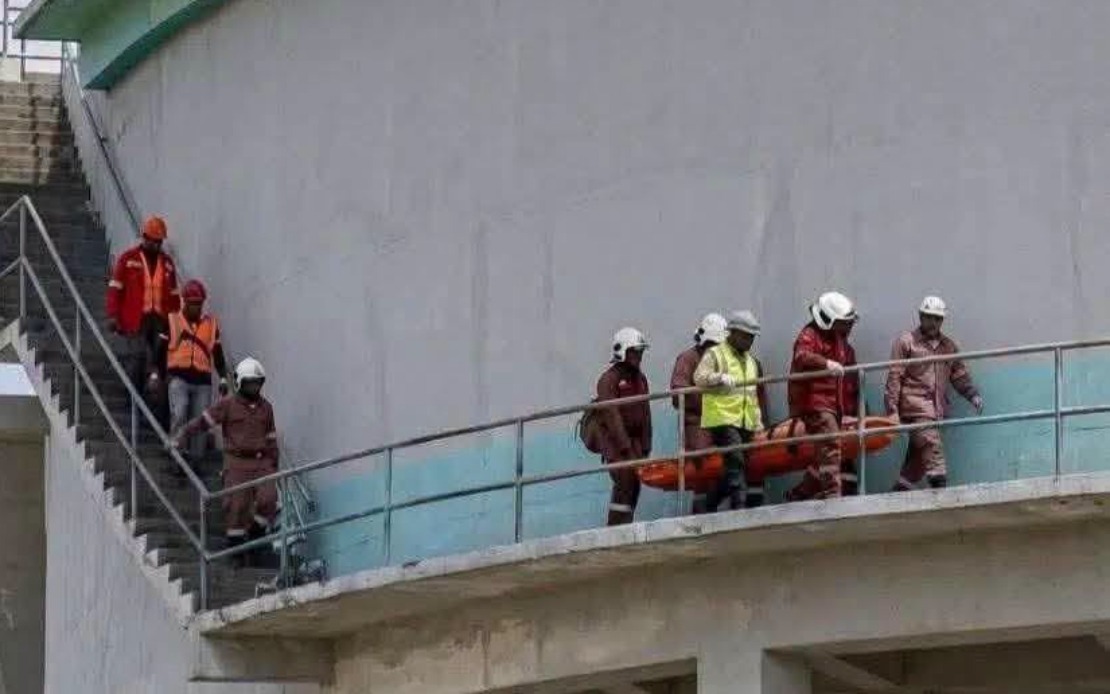
The Department of Occupational Safety and Health (DOSH) has initiated a formal investigation into a fatal workplace accident that claimed the life of an industrial trainee during water tank cleaning operations at Menara Saujana Perdana 1 in Sungai Buloh, Selangor. The incident, which occurred on June 16, has prompted regulatory scrutiny into safety practices at the site and raises broader questions about how Malaysian employers manage high-risk confined space operations.
DOSH director-general Hazlina Yon confirmed that investigators from the department's Selangor office have already conducted an on-site inspection and implemented precautionary measures to preserve evidence. A notice has been issued prohibiting any disturbance to the accident location, a standard procedure designed to ensure the integrity of the investigative process and prevent the loss of critical physical evidence that may shed light on what went wrong.
The inquiry is proceeding under Sections 15, 17 and 18 of the Occupational Safety and Health Act 1994, provisions that establish the foundational legal obligations placed on employers, self-employed persons, and related entities to maintain safe working conditions. These sections create a comprehensive framework requiring duty holders to safeguard the wellbeing of all workers and third parties whose safety may be affected by workplace activities. The selection of these specific provisions indicates that investigators are examining whether responsible parties failed to meet their statutory obligations.
Current investigative efforts extend beyond the physical examination of the premises and include the systematic collection of witness testimony. Hazlina stated that relevant parties who were present at or connected to the incident are being interviewed to establish a comprehensive factual account. These statements will form a crucial foundation for determining whether occupational safety and health legislation was contravened, and if so, whether enforcement action should be pursued against the responsible parties.
The fatal incident underscores the inherent dangers associated with confined space work, a category of operations that consistently features prominently in workplace fatality statistics across the region. Confined spaces—such as tanks, vats, vessels, and similar enclosures—present multiple hazards simultaneously, including oxygen deficiency, accumulation of toxic gases, explosive atmospheres, and physical entrapment risks. Hazlina emphasised that employers must implement rigorous safety protocols whenever workers enter such environments, including obtaining mandatory work permits that document the hazards present and the control measures deployed.
A critical gap highlighted by this incident involves the supervision and preparation of industrial trainees and other inexperienced workers assigned to high-risk tasks. Malaysian regulations require that such individuals receive comprehensive occupational safety and health training and briefing sessions before commencing work. Furthermore, they must be placed under the direct supervision of competent supervisors—individuals who possess sufficient knowledge, training, and experience to recognise hazards and take corrective action. The absence of adequate training, briefing, or supervision can transform a hazardous task into a catastrophic one.
Employers bear primary responsibility for conducting thorough risk assessments before any work commences, particularly for operations classified as high-risk. This assessment must identify all potential hazards associated with the specific task, the working environment, and the particular workers involved. Only after such identification and evaluation can appropriate control measures be designed and implemented. For confined space entry, this typically includes atmospheric testing, provision of appropriate personal protective equipment, establishment of rescue procedures, and designation of competent personnel to oversee operations.
Hazlina's statement emphasised that safe work procedures must be followed meticulously before workers are permitted to enter confined spaces. These procedures represent the accumulated knowledge of occupational safety best practices and are designed to systematically eliminate or minimise identified risks. When procedures are shortcut or overlooked—a common factor in fatal incidents—the consequences can be severe and irreversible. The requirement to obtain relevant work permits is not bureaucratic formality but rather a documented commitment that hazards have been identified and appropriate safeguards established.
The investigation also highlights the broader responsibility that employers bear toward all individuals involved in work operations, encompassing not only direct employees but also industrial trainees, contractors, and vendors. This extended duty of care reflects recognition that third parties may lack familiarity with workplace conditions and hazards, and therefore require equivalent levels of protection and supervision as regular employees. When multiple parties work at a site, coordination and clear communication become essential safety requirements.
For Malaysian businesses and particularly those in construction, maintenance, and industrial sectors, this incident serves as a stark reminder of the regulatory environment surrounding confined space work. DOSH has authority to pursue enforcement action if investigations reveal violations of occupational safety and health legislation. Potential consequences range from improvement notices and prohibition orders to criminal prosecution of responsible persons or entities, with penalties including substantial fines and potential imprisonment for gross negligence.
The broader implications extend to industry practices across Southeast Asia, where rapid industrial development sometimes outpaces safety culture development. Training providers, employer associations, and regulatory bodies in the region are increasingly emphasising that confined space work requires specialist knowledge and cannot be treated as routine maintenance. The human cost of failures—as demonstrated by this fatal incident—far exceeds the economic burden of implementing proper safety systems.
Moving forward, DOSH's investigation will generate important findings regarding the specific chain of events leading to this death. Whether violations are identified, the conclusions will likely influence how employers approach confined space operations and how regulators prioritise enforcement efforts in this critical area. The coming weeks will reveal whether systemic failures or specific oversights contributed to this preventable tragedy.