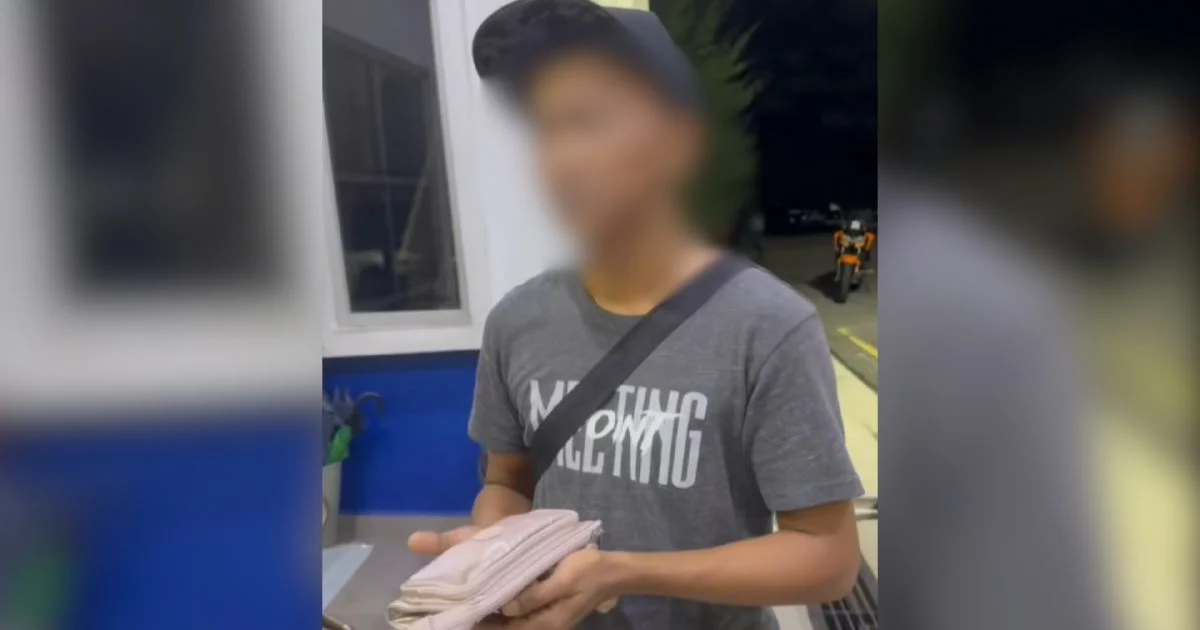
A 37-year-old man working as a delivery rider has been taken into custody by authorities in Kajang following allegations that he unlawfully took RM10,000 in cash from a wallet that was left behind at a supermarket outlet in Semenyih. The arrest comes as concerns mount over theft incidents occurring in commercial spaces, particularly involving individuals who may have legitimate access to high-traffic retail environments.
The incident underscores the vulnerability of shoppers who inadvertently misplace personal belongings containing substantial sums of money. Wallets and other valuables left unattended in public spaces remain attractive targets for opportunistic offenders, especially when significant amounts of cash are involved. In this case, the discovery of the lost wallet appears to have presented the accused with a temptation he could not resist, leading to the alleged unlawful appropriation of funds.
Delivery riders have become ubiquitous figures in Malaysian urban and suburban landscapes, with thousands operating across the Klang Valley region daily. While the overwhelming majority conduct their work with integrity, incidents involving individuals in service-oriented positions who abuse access to customer spaces or property highlight the need for heightened awareness. The occupational context is particularly relevant here, as delivery personnel frequently move through retail establishments while executing their professional duties.
The Semenyih supermarket where the incident allegedly occurred serves a significant residential community in the Klang Valley. The establishment, like many large retail chains, likely attracts hundreds or thousands of shoppers daily, creating environments where lost items are unfortunately common. Management at such facilities typically maintains lost-and-found procedures, but the wallet in question appears to have come into the possession of the accused before such protocols could be activated.
Authorities in Kajang have not yet disclosed the precise timeline of events, such as exactly when the wallet was located, how long it remained in the alleged offender's possession before discovery, or what investigative techniques led to his identification and apprehension. These procedural details are typically withheld during early stages of investigation, though they will become relevant if the case proceeds to prosecution.
The RM10,000 figure represents a substantial amount that would cause genuine hardship to the owner, particularly if the individual relied on that cash for immediate needs. Loss of such sums can disrupt household budgets, delay bill payments, or impact business operations for self-employed individuals. The psychological impact on victims of theft extends beyond mere financial loss, often generating feelings of violation and eroded trust in public spaces.
This arrest reflects ongoing efforts by law enforcement agencies across the Klang Valley to address property crimes, particularly those occurring in commercial and public settings. The Kajang district, encompassing both urban and developing areas, has witnessed its share of opportunistic theft incidents, with retail environments representing vulnerability points. Supermarkets, with their open layouts and constant foot traffic, present particular challenges for security management.
The detention of the delivery rider serves as a cautionary reminder to shoppers about maintaining vigilance with personal belongings, particularly when carrying significant cash. Modern alternatives to carrying large sums—such as digital payments, credit cards, or mobile wallets—offer enhanced security, yet many Malaysians continue to rely on cash for daily transactions. Until behavioural patterns shift more decisively toward digital payments, individuals transporting substantial currency face elevated risk.
From a systemic perspective, the incident also touches on workplace ethics and hiring practices within the delivery services sector. While background checks may be routine for such positions, the relative ease with which individuals access customer spaces and the frequent proximity to valuable items creates inherent risk. Employers within the gig economy space, where delivery riders often operate as independent contractors rather than employees, face challenges in establishing consistent ethical standards across their networks.
The investigation's progression will likely determine whether additional charges or complications emerge. Police procedures will examine whether the accused acted spontaneously upon discovering the wallet or whether a pattern of such behaviour existed. The case may also reveal whether the supermarket had functioning closed-circuit television systems that aided in identifying and apprehending the suspect.
For Malaysian consumers, particularly those in urban areas where retail theft remains a persistent issue, this incident reinforces established wisdom about securing valuables while shopping. The combination of carelessness on the part of the wallet's owner and opportunism on the alleged offender's part represents a scenario that repeats regularly across the nation's commercial spaces, though detection and apprehension do not always occur as swiftly.
The broader context involves balancing the presumption of innocence—as the accused has not yet been formally charged or convicted—with public safety concerns. Law enforcement will pursue the investigation through standard procedures, gathering evidence and statements that will determine whether charges proceed and what penalties might ultimately apply if guilt is established through judicial process.