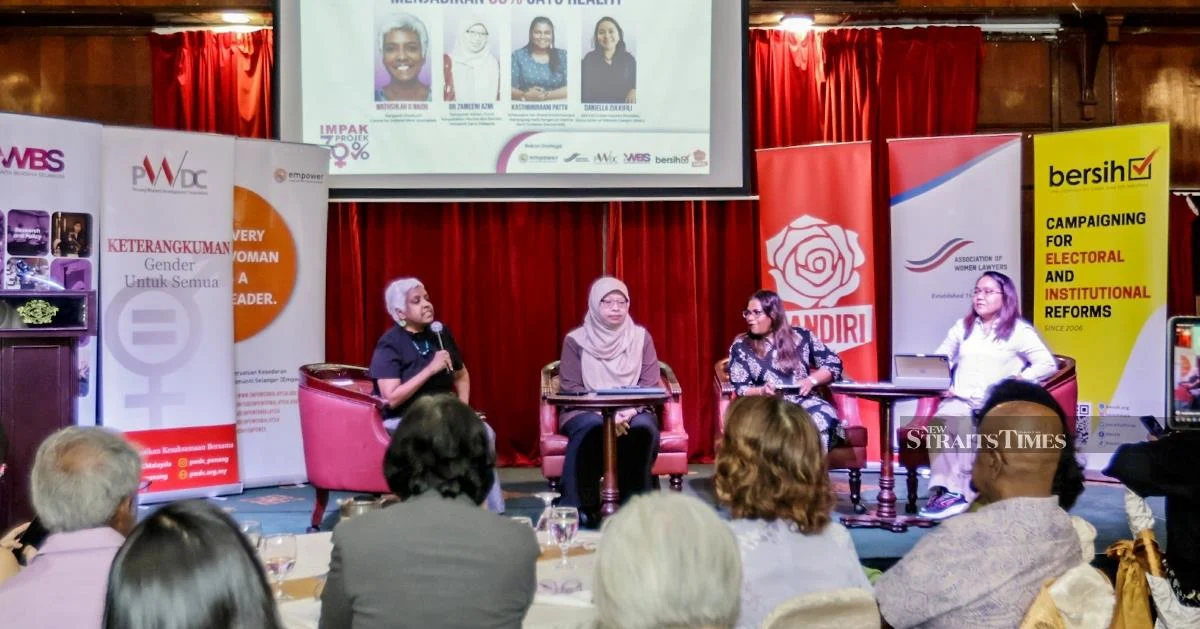
Advocacy groups representing diverse segments of Malaysian civil society have formally presented a comprehensive memorandum and proposed legislation to the federal government, seeking to establish a mandatory 30 per cent threshold for women candidates fielded by political parties during General Election 16. The submission, delivered in Kuala Lumpur, represents a sustained effort by non-governmental organisations to elevate women's representation in Malaysia's political landscape through legislative measures rather than voluntary commitments from party leadership.
The draft law initiative reflects growing concerns among stakeholders about the persistent underrepresentation of women in elected office across Malaysia. Despite women comprising roughly half the electorate and possessing comparable educational and professional qualifications to their male counterparts, female representation in Parliament and state assemblies remains substantially below international benchmarks. This structural imbalance has prompted civil society to move beyond advocacy rhetoric toward concrete legislative proposals that would create binding obligations rather than aspirational targets.
The 30 per cent threshold proposed by the coalition aligns with global standards being implemented or considered across comparable democracies. Indonesia, for instance, has mandated a 30 per cent quota at both national and regional legislative levels, while several African nations and some Latin American countries have adopted similar or higher requirements. Malaysia's position relative to these regional and international precedents underscores a potential lag in gender representation policies despite the country's economic development and democratic institutions.
Civil society organisations participating in this initiative span various constituencies, including women's rights groups, governance advocates, and professional associations concerned with inclusive democracy. Their collaborative approach signals recognition that advancing women's political participation transcends single-issue advocacy and requires coordination across multiple stakeholder groups with distinct but complementary concerns. This coalition model may also strengthen the proposal's credibility and political viability by demonstrating broader social consensus beyond traditional women's organisations.
The timing of this submission proves strategically significant. With the next general election expected within the coming years, the coalition has positioned the proposal within a realistic window for legislative consideration and implementation. Early-stage engagement with government machinery allows time for consultation, debate, and refinement before electoral deadlines, though parliamentary dynamics and political priorities ultimately determine whether substantive progress occurs.
Implementing such a quota system would necessitate amendments to electoral law and potentially require modifications to how political parties select candidates. Malaysia's decentralised party structure means different organisations would face varying implementation challenges. Larger parties with established candidate selection mechanisms might absorb the requirement more readily, while smaller parties could face resource constraints in identifying and preparing sufficient female candidates across diverse constituencies and demographic contexts.
The effectiveness of quota systems remains contested among scholars and policymakers. Critics argue that numerical targets divorced from underlying structural change may result in token representation without genuinely empowering women to influence party strategy or policy direction. Others contend that quotas serve as essential transitional mechanisms, creating space for women to build political experience and demonstrate capability, thereby gradually shifting broader perceptions about women's political competence and legitimacy.
Malaysian political parties have historically expressed mixed enthusiasm for candidate gender quotas. Some parties have voluntarily increased women's representation in recent electoral cycles, while others maintain that merit-based selection without explicit gender targets better serves organisational interests. The submission of formal legislation signals that civil society regards voluntary measures as insufficient and believes government intervention through law is necessary to achieve meaningful change within the specified timeframe.
The proposal also carries implications for Malaysia's international standing on gender equality indicators. Development rankings and governance assessments increasingly factor women's political participation into evaluations of democratic maturity and institutional quality. Adopting statutory gender quotas would strengthen Malaysia's positioning on these metrics while signalling government commitment to inclusive governance principles endorsed through regional and international human rights frameworks to which Malaysia is signatory.
Implementation mechanisms will require careful design to ensure feasibility across Malaysia's diverse political landscape encompassing federal, state, and local electoral contexts. The draft legislation presumably addresses these variations, though specific provisions remain to be detailed in public discourse. Questions about enforcement, penalties for non-compliance, and mechanisms for dispute resolution will likely shape political and civil society responses during parliamentary consideration.
For Malaysian voters, particularly women seeking greater political voice and representation, this legislative proposal represents potential structural reform with concrete implications for electoral choices and political responsiveness. Increased female candidate recruitment could broaden policy focus on issues disproportionately affecting women while bringing diverse perspectives to parliamentary deliberation on economic policy, social welfare, and governance priorities.
The submission initiates a critical phase of negotiation between civil society, government officials, and political leadership. Political parties' responses to this proposal will reveal genuine commitment to gender inclusivity versus rhetorical support for equality principles. Parliamentary debates on the draft legislation will illuminate whether legislative consensus exists for substantive reform or whether deep-seated resistance persists among established political institutions.