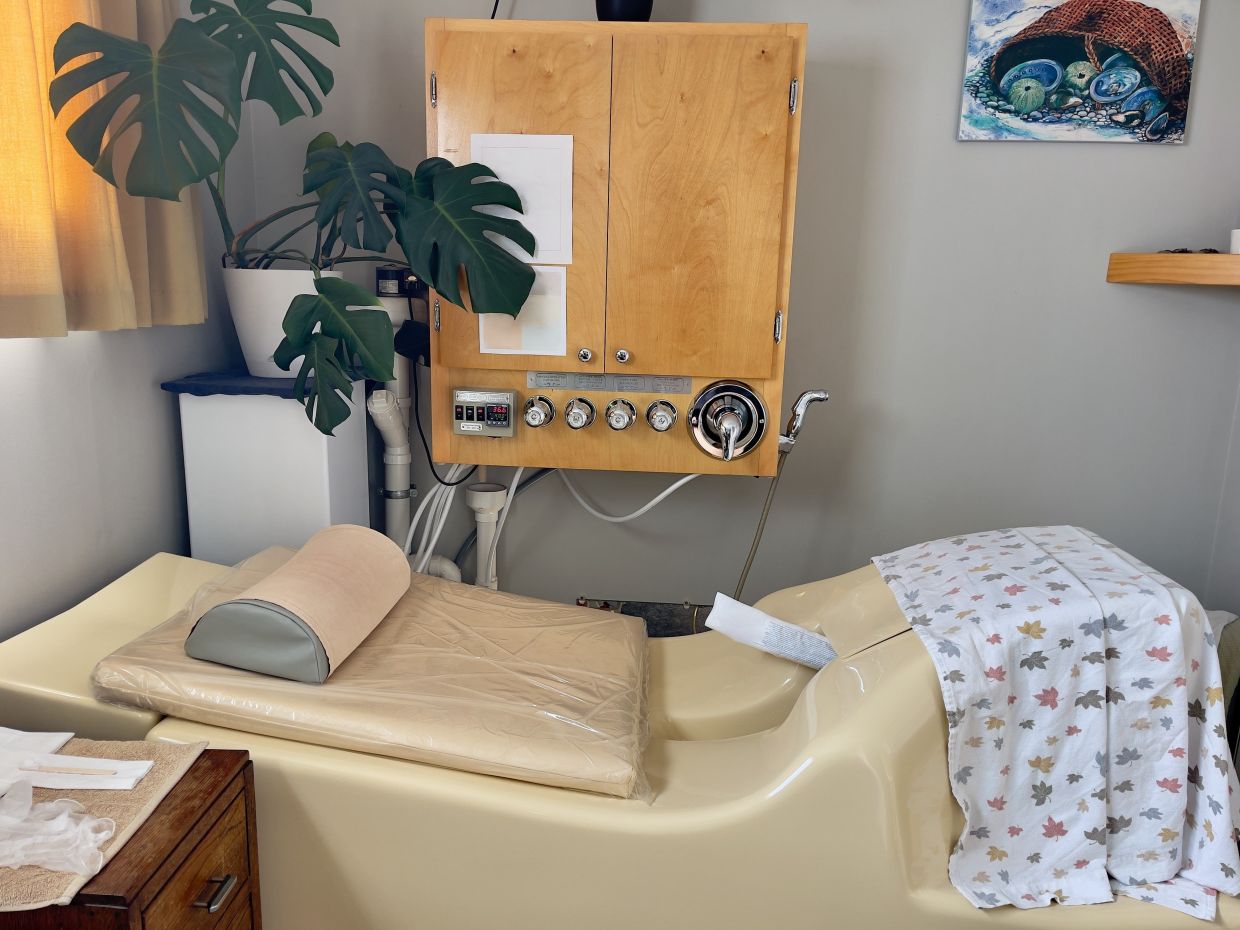
An extensive fraud operation centred in Beijing has ensnared over 100 senior citizens in an elaborate scheme involving fake medical treatments and deceptive practices, resulting in losses exceeding 10 million yuan (US$1.5 million). Police have arrested more than 30 suspects in the case, which unravels a troubling pattern of exploitation targeting China's vulnerable elderly population. The breakthrough came when the family of a woman in her 60s, surnamed Li, discovered she had transferred an alarming 700,000 yuan (US$103,000) to the health centre over an extended period, prompting them to alert authorities.
The mechanics of the scam reveal a sophisticated, multi-layered approach designed to psychologically manipulate vulnerable seniors. At the heart of the deception was a fake intestinal cleansing procedure where clinic staff deliberately added dark soy sauce to the cleansing liquid, a common Chinese cooking ingredient used for colouring food, to convince patients that the darkened liquid represented toxins being extracted from their bodies. This visceral "evidence" of illness proved remarkably effective in persuading victims to continue paying for increasingly expensive treatments, with individual sessions costing tens of thousands of yuan. The psychological impact of witnessing supposedly toxic matter leaving their bodies created a powerful illusion of both sickness and the necessity for ongoing medical intervention.
The victim Li's journey into the scheme illustrates how meticulously the operators engineered their recruitment process. She initially visited the health centre for a routine foot massage voucher priced at just 38 yuan (US$6), an innocuous entry point designed to establish trust. Once inside, staff deployed calculated relationship-building tactics that proved devastatingly effective. They memorised clients' birthdays and demonstrated attentive, caring behaviour that contrasted sharply with the emotional distance many elderly people experience from their own families. This manufactured warmth and personal attention became the emotional foundation upon which the financial exploitation would build, gradually normalising ever-larger financial commitments. When Li's resources eventually depleted, staff members intensified their pressure, even encouraging her to pawn personal jewellery such as her golden bracelet by framing it as a necessary sacrifice for her health.
Police investigations revealed the scam targeted a highly specific demographic: affluent seniors living alone or those experiencing emotional isolation despite having children nearby. The operators systematically positioned themselves in senior centres and gathering places frequented by elderly people, offering complimentary "expert" medical consultations as bait. These fake medical practitioners, trained in social engineering rather than actual medicine, would deliver frightening diagnoses suggesting serious underlying conditions requiring prolonged specialised treatment. The selection strategy demonstrates how the fraud ring weaponised their understanding of elderly vulnerabilities—financial independence without family oversight, loneliness masked by filial proximity, and the natural anxieties accompanying aging.
The scale of the operation extended far beyond a single location. More than 20 establishments masquerading as health centres operated across multiple districts throughout Beijing, suggesting an organised criminal enterprise rather than isolated misconduct. The police disclosed that the health centre's total turnover reached over 30 million yuan (US$4.5 million), a figure extraordinarily high for such facilities and a red flag indicating systemic fraud. One victim alone lost more than two million yuan (US$295,000), transforming individual cases of exploitation into devastating personal financial catastrophes. The widespread presence of these fraudulent outlets across the capital suggests inadequate regulatory oversight and enforcement mechanisms had allowed predatory operations to flourish for an extended period.
China's demographic context amplifies the urgency of this case. As of the end of 2025, the country's population aged 60 and above totals 323 million people, comprising 23 per cent of the national population. Within this cohort, approximately 60 per cent are classified as "empty-nesters"—elderly individuals either without children or separated from them by geographical distance and modern living arrangements. This demographic configuration creates precisely the conditions that fraudsters exploit: individuals with accumulated savings, reduced family supervision, heightened susceptibility to health anxieties, and a profound need for emotional connection and personal attention. The scam targeting these vulnerable populations reveals a critical gap between rapid demographic aging and inadequate consumer protection infrastructure.
The tactics employed reflect a deeply cynical understanding of elderly psychology and the structural vulnerabilities in contemporary Chinese society. The scam operated not through crude coercion but through the cultivation of emotional dependency and the systematic exploitation of the loneliness endemic to modern aging. Staff members replicated the attentive, personalised care that family members increasingly struggle to provide amid the pressures of urban employment and demanding work schedules. By positioning themselves as more caring than absent children, the fraudsters weaponised the emotional gaps in extended family relationships. This psychological architecture proved more effective than any technical deception could have been, transforming what might have been obviously dubious medical claims into emotionally resonant narratives about health and care.
The incident has triggered broader concerns about the proliferation of unregulated health centres and fraudulent medical practitioners operating across Chinese cities. Industry observers have pointed out that free promotional gifts and aggressive sales tactics represent standard operating procedures in many such establishments, creating an environment where distinguishing legitimate enterprises from outright scams has become increasingly difficult for elderly consumers. The current regulatory framework appears inadequately equipped to monitor these operations or establish minimum standards for medical claims and consumer protection. Expert commentary emphasises that the health and wellness sector serving seniors requires urgent, comprehensive oversight, particularly given the sector's explosive growth and the proliferation of dubious practitioners offering treatments of questionable efficacy.
This case also reflects the intersection of broader economic and social trends affecting China's aging population. The combination of accumulated personal wealth among this generation, reduced family proximity due to migration patterns, the commercialisation of health and wellness services, and the proliferation of unverified medical claims has created a perfect environment for sophisticated fraud operations. As China continues to age rapidly and family structures continue to disperse, the vulnerability of elderly citizens to exploitation will likely increase without significant policy interventions. Addressing this requires not only law enforcement action against fraudulent operators but also systemic reforms establishing regulatory oversight, mandatory practitioner qualifications, transparent claims verification, and community-based social support systems that reduce the isolation and vulnerability these criminals deliberately target.

%22%2F%3E%3C%2Fpattern%3E%3C%2Fdefs%3E%3Crect%20width%3D%22100%25%22%20height%3D%22100%25%22%20fill%3D%22url(%23ph4hk2dg)%22%2F%3E%3Crect%20width%3D%22100%25%22%20height%3D%22100%25%22%20fill%3D%22url(%23ph4hk2dp)%22%2F%3E%3Ctext%20x%3D%2250%25%22%20y%3D%2250%25%22%20text-anchor%3D%22middle%22%20dominant-baseline%3D%22central%22%20fill%3D%22rgba(255%2C255%2C255%2C0.95)%22%20font-family%3D%22Georgia%2C%20'Times%20New%20Roman'%2C%20serif%22%20font-weight%3D%22700%22%20font-size%3D%22320%22%20letter-spacing%3D%22-0.02em%22%3EMOH%3C%2Ftext%3E%3C%2Fsvg%3E)