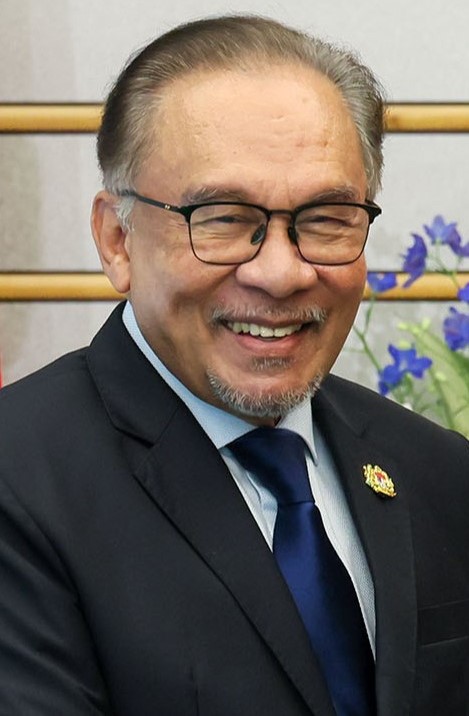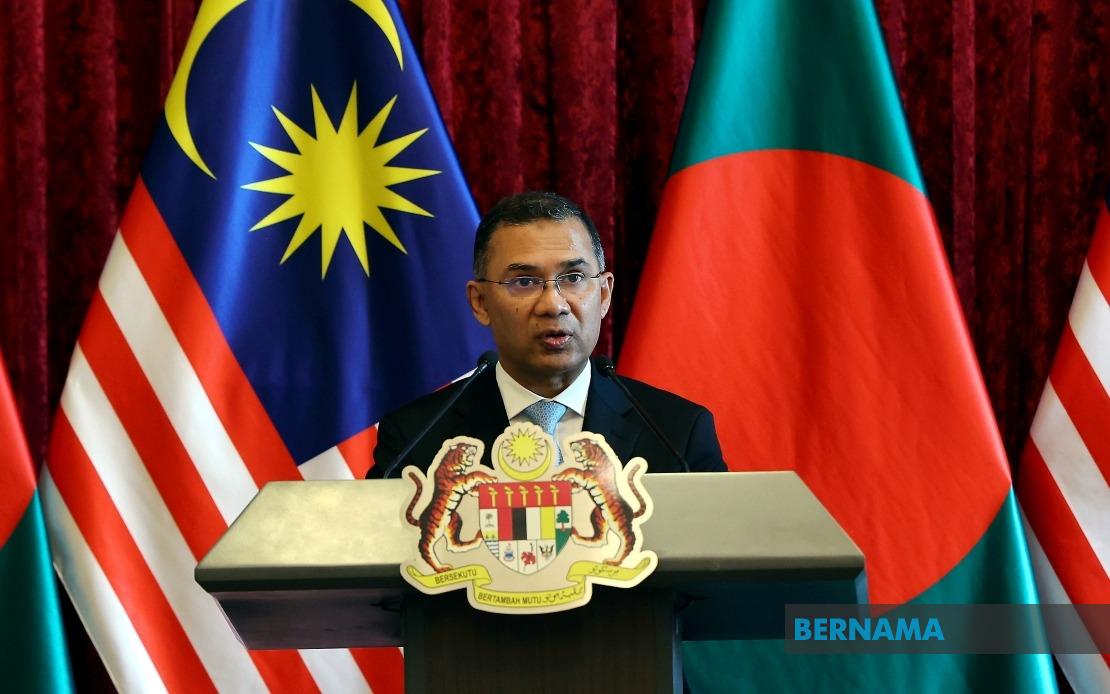
Bangladesh Prime Minister Tarique Rahman's two-day visit to Malaysia, which concluded in Putrajaya on Monday, represents a strategic reaffirmation of ties between two significant South Asian and Southeast Asian players. The visit, the premier's inaugural bilateral journey abroad since assuming office in February, underscores Dhaka's priorities in deepening engagement with key regional partners and strengthening institutional frameworks that facilitate regular high-level dialogue.
During discussions with Prime Minister Datuk Seri Anwar Ibrahim, the two leaders signalled their intent to reinvigorate bilateral mechanisms as vehicles for sustained cooperation. The joint commission framework and planned bilateral consultations between foreign ministers provide structured pathways for addressing shared concerns and coordinating positions on matters of mutual interest. Such institutional mechanisms are particularly valuable in a region where diplomatic engagement often faces competing priorities and shifting geopolitical pressures.
Three agreements formalised during the visit demonstrate concrete commitments across distinct pillars of bilateral relations. A Memorandum of Understanding on Cultural Cooperation opens avenues for educational exchanges, artistic collaboration, and preservation of cultural heritage—areas where both nations possess rich traditions. Simultaneously, two Exchanges of Notes addressing counter-terrorism research and investment promotion reflect Bangladesh's recognition of Malaysia's role as a regional security partner and economic hub. These agreements suggest a calibrated approach to partnership, balancing cultural and people-to-people dimensions with pragmatic security and economic considerations.
The economic relationship between Malaysia and Bangladesh has expanded significantly in recent years, reflecting deepening commercial ties despite geographical separation. In 2025, bilateral trade reached RM12.18 billion, positioning Bangladesh as Malaysia's 28th largest trading partner globally and its second most important partner in South Asia after India. Malaysia's dominance in the trade corridor is evident from export figures of RM10.08 billion, substantially exceeding imports of RM2.10 billion. Petroleum products drive Malaysia's exports, a reflection of Bangladesh's energy import requirements as its economy expands. Bangladesh's exports focus on textiles, apparel and footwear—labour-intensive sectors where the nation possesses competitive advantages rooted in its substantial manufacturing base and lower production costs.
From Malaysia's perspective, Bangladesh represents an increasingly significant market and manufacturing hub within South Asia. The import imbalance typical in Malaysia-Bangladesh trade mirrors broader patterns in Malaysia's regional commerce, where Malaysian producers of refined petroleum and petrochemical derivatives command price and quality advantages. However, Bangladesh's textile and apparel sector remains internationally competitive, and future trade growth may depend on diversification—particularly if Bangladesh develops higher-value manufacturing capabilities or if Malaysian companies establish production facilities there to serve regional markets.
Tarique's emphasis on international cooperation during the Putrajaya press conference highlights Bangladesh's broader diplomatic ambitions. His reference to Malaysia's support for Bangladesh's candidature for the presidency of the 81st session of the United Nations General Assembly indicates how bilateral partnerships intersect with multilateral diplomacy. Such support—whether symbolic or substantive—carries weight in competitive UN elections and reflects the diplomatic credit both nations invest in supporting each other's global initiatives. This dimension of their relationship extends beyond bilateral transactions to encompass coordinated multilateral positioning.
The discussion of West Asia developments, though mentioned briefly in official statements, signals shared regional awareness among South and Southeast Asian nations regarding Middle Eastern geopolitics. Bangladesh, hosting the world's largest refugee population primarily from Myanmar, understands humanitarian dimensions of regional conflicts. Malaysia, with its significant Muslim-majority population and regional influence, maintains active interest in Middle Eastern affairs. Their agreement to coordinate positions on such global issues suggests an emerging consensus among Asian democracies on how to balance humanitarian concerns with strategic interests in volatile regions.
For Malaysian readers and policymakers, Bangladesh's overture carries implications for regional architecture. Bangladesh's choice to make Malaysia the destination for Tarique's first bilateral visit signals Dhaka's prioritisation of Southeast Asian engagement, even as it maintains crucial relationships with China, India, and Western powers. This reflects Bangladesh's strategic calculation that Southeast Asian partners offer complementary advantages—economic opportunities, diplomatic support, and cultural affinity—without the complexity of managing great power relationships that dominate its relations with Beijing and New Delhi.
The timing of this visit also merits consideration within Bangladesh's domestic and regional context. Tarique assumed office following political transitions in his country, and early bilateral visits typically serve to establish a premier's international credentials while signalling policy continuity to key partners. Malaysia's receptiveness, evidenced through formal agreements and high-level engagement from Prime Minister Anwar, confirms Malaysia's own interest in maintaining robust ties with Bangladesh across multiple domains.
Looking ahead, the mechanisms formalised during this visit provide foundations for addressing future cooperation challenges. Counter-terrorism research collaboration reflects shared security concerns in a region navigating transnational threats. Investment promotion frameworks acknowledge both nations' desire to facilitate capital flows and business partnerships. Cultural cooperation addresses the non-material dimensions of bilateral relations—areas often overlooked but essential for building popular support for government-to-government initiatives.
The trade relationship, while currently dominated by Malaysia's petroleum exports, possesses potential for evolution. As Bangladesh's manufacturing capabilities expand and its middle class grows, demand for diverse Malaysian products—from chemicals and machinery to consumer goods—may increase. Conversely, Bangladeshi companies may find opportunities in Malaysia's growing logistics and textile-related service sectors. Both governments, through their investment promotion mechanisms, can actively encourage such commercial exploration.
Ultimately, the Bangladesh-Malaysia partnership reflects a broader regional pattern where Southeast Asian nations cultivate strategic relationships with South Asian counterparts. These partnerships, built on complementary interests rather than shared geography, provide flexibility in addressing regional challenges and offer alternatives to reliance on traditional great power alignments. For Malaysia, engagement with Bangladesh contributes to its broader Southeast Asian leadership role and diversifies its South Asian partnerships beyond India. For Bangladesh, Malaysia represents a stable, prosperous Southeast Asian model and a gateway to ASEAN engagement—dimensions that extend well beyond the bilateral context.