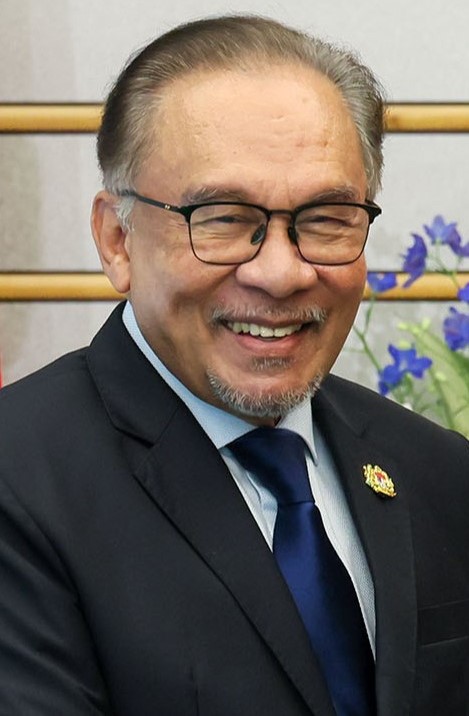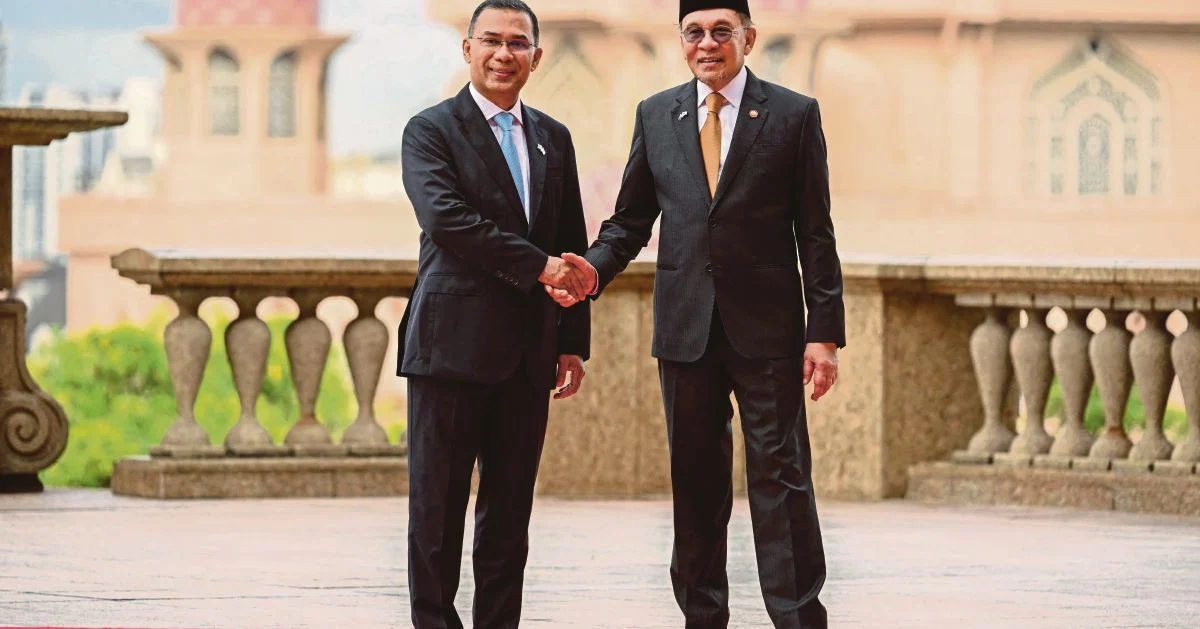
Bangladesh Prime Minister Tarique Rahman concluded a significant state visit to Malaysia on Monday, marking his first official trip abroad in his capacity as the country's leader. During his time in Kuala Lumpur, the Bangladesh premier underscored his administration's commitment to deepening bilateral relations with Malaysia across a spectrum of economic, cultural, and strategic dimensions. The visit represents an important moment for both nations as they seek to leverage their historical ties and shared regional interests in Southeast Asia.
The timing of Rahman's visit carries particular weight given Bangladesh's recent political transition. Following the departure of his predecessor Sheikh Hasina in August 2024, the nation has entered a new phase of governance, and Rahman's outreach to neighbouring countries signals his government's intention to maintain stability and continuity in its foreign policy commitments. Malaysia, as a significant Muslim-majority nation and a key regional economic player, holds strategic importance for Bangladesh's broader foreign relations and economic objectives.
During meetings with Prime Minister Datuk Seri Anwar Ibrahim, the two leaders are expected to have discussed avenues for strengthening cooperation in trade, investment, and people-to-people exchanges. Malaysia has historically been a destination for Bangladeshi workers and students, and bilateral economic relations remain an important pillar of the partnership. The multifaceted nature of the relationship extends beyond traditional commerce to encompass defence collaboration, cultural exchanges, and participation in regional forums.
The state visit format itself carries diplomatic significance, elevating the Bangladesh PM's visit above routine official delegations. State visits typically involve ceremonial elements, formal dinners, and substantive bilateral discussions at the highest levels of government. This recognition reflects Malaysia's appreciation of Bangladesh's standing as a regional neighbour and the importance both nations place on their relationship within the broader architecture of ASEAN-related mechanisms and South Asian engagement.
For Malaysia, strengthening ties with Bangladesh serves multiple strategic interests. Bangladesh is the world's eighth most populous nation with a rapidly growing economy, and deepening commercial partnerships creates opportunities for Malaysian businesses in sectors ranging from textiles and manufacturing to technology and energy. Additionally, Bangladesh's geopolitical position between South Asia and Southeast Asia makes it valuable as a bridge for Malaysian interests in the wider region.
Cooperative arrangements between Dhaka and Kuala Lumpur could also extend to challenges of mutual concern, including maritime security, counterterrorism, and regional stability. Both nations have experienced transnational security challenges and could benefit from intelligence sharing and coordinated responses to threats that transcend traditional borders. The Indian Ocean region and the Strait of Malacca remain areas where enhanced bilateral and multilateral coordination strengthens the security environment for all regional players.
Cultural and educational exchanges form another dimension of the relationship that benefits populations in both countries. Malaysian universities attract Bangladeshi students seeking quality tertiary education, while cultural festivals and people-to-people initiatives foster understanding and goodwill. Religious commonalities, given both nations' Muslim populations, provide additional foundations for building social cohesion and public support for government-level initiatives.
The conclusion of Rahman's state visit signals the beginning of what his government hopes will be a period of sustained diplomatic engagement with Malaysia. The premier's affirmation of commitment to Anwar Ibrahim personally reflects his recognition that Malaysia's leadership is receptive to regional partners' concerns and willing to invest in bilateral relationships that yield mutual benefits. This personal dynamic between leaders often proves decisive in determining the trajectory of bilateral relations during the subsequent years.
Moving forward, both governments are likely to establish mechanisms for regular consultation on matters of shared interest and to coordinate positions on regional issues discussed in forums such as ASEAN and the Indian Ocean Rim Association. The relationship between Bangladesh and Malaysia extends beyond transactional exchanges to encompass aspirations for greater economic integration and political alignment on international questions.
The state visit also provides an opportunity for both nations to demonstrate to their respective domestic audiences that their governments are actively engaged in pursuing national interests through responsible diplomacy. For Bangladesh, particularly during a period of political consolidation following leadership change, successful diplomatic engagement with regional powers reassures citizens that the new administration is capable and internationally respected. For Malaysia, it reinforces its position as a significant player in regional diplomacy and a preferred partner for nations seeking stable, mutually beneficial relationships.
Looking ahead, the substance of the partnership will be tested through concrete outcomes in trade agreements, defence cooperation, and joint regional initiatives. The words of commitment offered during state visits must be translated into tangible results that demonstrably improve conditions for citizens in both countries. Whether through enhanced business opportunities, improved security arrangements, or expanded educational partnerships, the effectiveness of bilateral relations will ultimately be measured by their practical impact on populations and economic development trajectories.