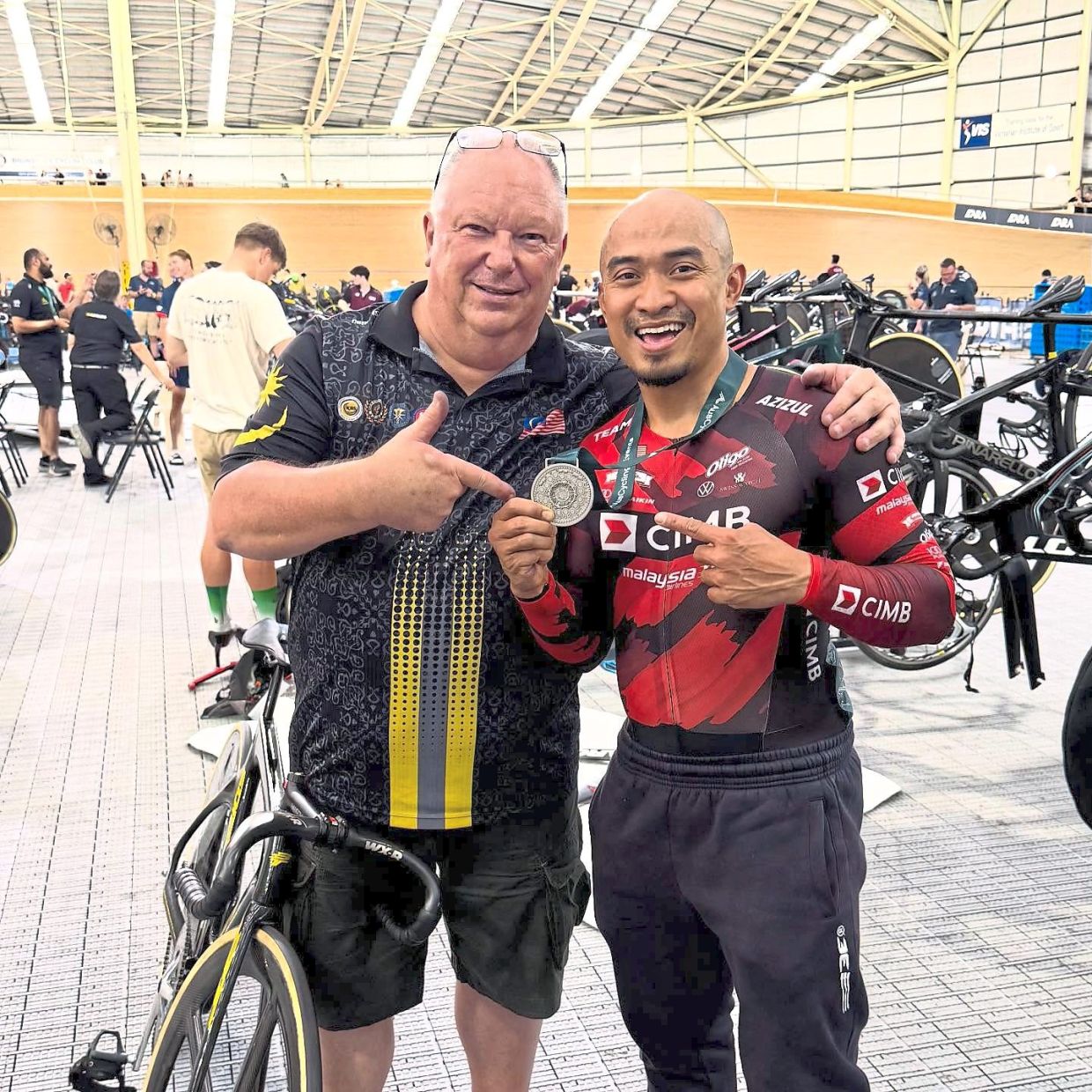
National track cyclist Azizulhasni Awang has stepped into the contentious debate surrounding technical director John Beasley, accepting that his defence of the Australian coach may trigger negative consequences for his own career and reputation. The two-time Olympic medallist made clear that he understands the political and professional risks inherent in publicly backing Beasley, who has faced recent criticism from certain quarters within Malaysia's cycling community.
Azizul, who won silver at the Tokyo 2020 Olympics, acknowledged that his willingness to vouch for Beasley creates vulnerability. He recognised that detractors may attempt to discredit him in the future, particularly if results at forthcoming major championships fall short of expectations. Rather than shy away from this possibility, the 31-year-old cyclist has chosen to articulate his support based on what he views as Beasley's substantial contributions to the sport in Malaysia over the past two decades.
The timing of Azizul's remarks comes amid disciplinary measures being considered by the Malaysia National Cycling Federation. MNCF president Datuk Amarjit Singh Gill announced last week that show-cause letters would be issued to two individuals from state affiliates who publicly criticised Beasley without following proper administrative channels. The federation determined that these public statements had damaged the national body's credibility and warranted formal investigation.
Azizul's stance reflects a deeper conviction about Beasley's role in developing Malaysia's track cycling programme. Rather than viewing his public support as a strategic mistake, the cyclist frames it as a moral obligation to acknowledge someone who has been instrumental in building the country's competitive cycling presence internationally. He contends that Beasley's record speaks for itself, having overseen the development of numerous world-class athletes throughout his tenure.
When questioned about potential consequences, Azizul invoked his faith as a source of strength and certainty. He explained that he believes divine will ultimately determines outcomes, and this conviction emboldens him to speak his mind regardless of how public opinion or media scrutiny may respond. This perspective allows him to maintain emotional distance from the turbulent environment surrounding Beasley's position while remaining focused on athletic performance.
The cyclist explicitly anticipated that should Malaysia's results disappoint at the Commonwealth Games or Asian Games, criticism would likely intensify and possibly be directed toward him personally. He suggested that such negative coverage would be unsurprising given the current climate and the tendency for underperformance to generate blame-seeking behaviour among observers and commentators. However, he framed this potential outcome as an acceptable cost of maintaining his integrity.
Despite the tempestuous context, Azizul has identified his primary objective as ensuring uninterrupted preparation for both major competitions. He called for unity among stakeholders and urged all parties—federation officials, coaches, administrators, and media—to prioritise athlete welfare and support during the build-up to these crucial events. This pragmatic approach suggests he views the Beasley controversy as a distraction from the technical and physiological preparation required for medal success.
Beasley's significance to Malaysian track cycling cannot be overstated. His long tenure has produced multiple medallists at Olympic Games and world championships, establishing Malaysia as a notable force in Asian cycling. The Australian coach's methods and leadership have attracted both admiration and, more recently, criticism from various factions within the cycling establishment. This polarisation reflects broader tensions within the federation regarding management style, selection procedures, and strategic direction.
The situation illustrates a common challenge facing sports organisations in Malaysia and across Southeast Asia: balancing institutional accountability with recognition of individual contributions. Beasley's supporters, including Azizul, argue that his proven track record should weigh heavily in any evaluation, while critics contend that questions about governance and communication warrant serious examination regardless of past achievements. These competing interests have created the current impasse.
Azizul's public intervention represents a calculated decision to leverage his credibility and Olympic status to defend someone he believes has been unfairly targeted. This approach carries genuine risk, as public figures who align themselves too closely with controversial figures can suffer reputational damage if circumstances shift. The cyclist's acknowledgement of these risks demonstrates sophisticated understanding of the political dynamics at play within Malaysian sport.
Looking ahead, the resolution of the Beasley situation will likely depend on how the federation handles the show-cause proceedings and whether tangible results emerge at the Commonwealth Games and Asian Games. Success at these competitions could vindicate both Beasley and Azizul, while disappointing outcomes might amplify calls for change. This interconnection between immediate sporting performance and institutional decisions underscores how elite athletes operate within complex organisational environments where their personal success and reputational standing become intertwined with broader administrative matters.