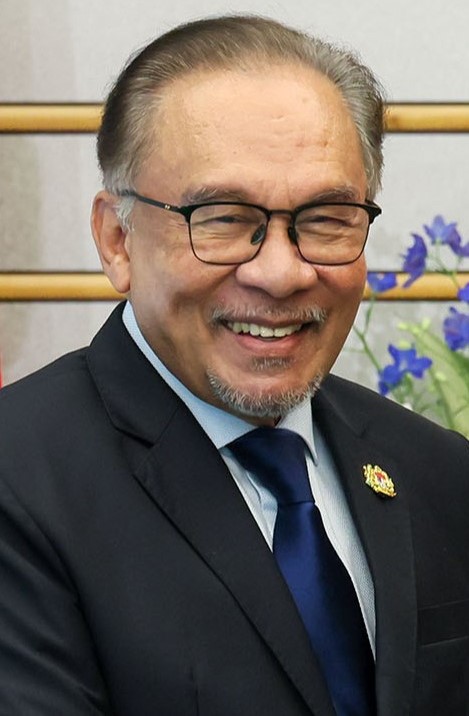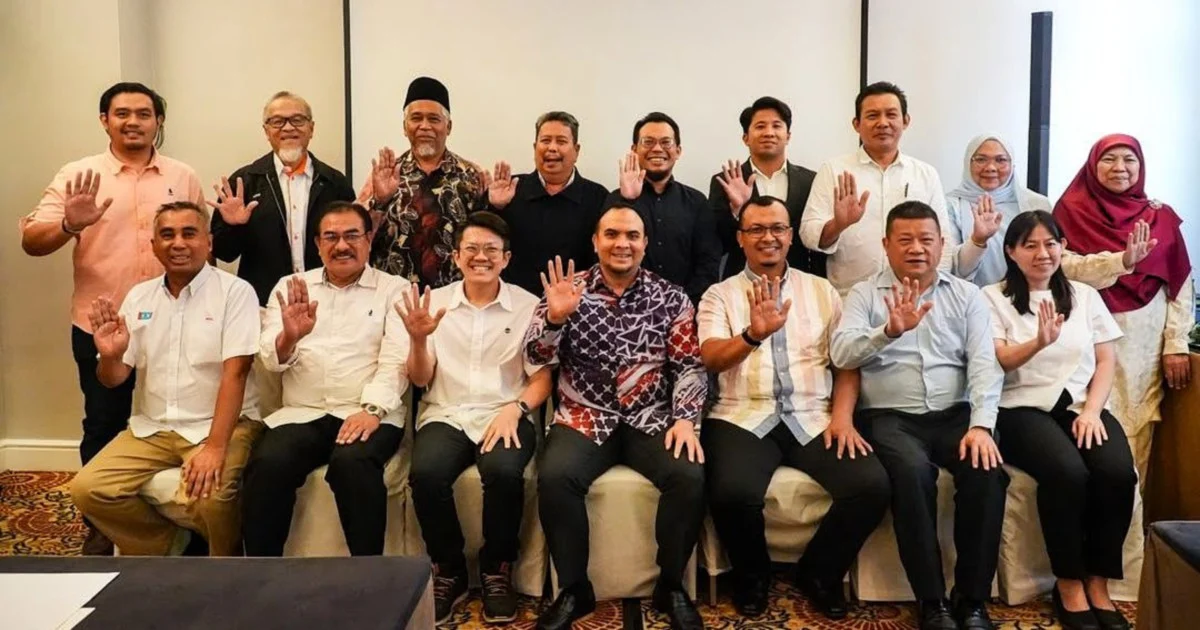
Prime Minister Datuk Seri Anwar Ibrahim's political secretary, Datuk Ahmad Farhan Fauzi, has been appointed to lead Pakatan Harapan as the new chairman of the coalition's Pahang chapter, marking a significant structural change in the state's political landscape. The appointment comes as part of broader efforts to strengthen the federal coalition's presence across the nation, particularly in states where competition remains fierce heading towards the next electoral cycle.
The promotion of Ahmad Farhan Fauzi from his role in the Prime Minister's office to this state-level position reflects a strategic deployment of experienced political operatives to critical frontlines. His appointment underscores the importance Anwar's administration places on consolidating power in Pahang, a state where political dynamics have traditionally been complex, with multiple competing interests and long-established power bases requiring careful management.
As a close aide to Anwar, Ahmad Farhan Fauzi brings institutional knowledge and direct access to the Prime Minister's office, advantages that could prove instrumental in coordinating policy implementation and political messaging across Pahang. His background working within the Prime Minister's immediate circle positions him to bridge state-level concerns with federal priorities, a critical function in Malaysia's federal system where coordination between different levels of government remains essential.
The selection of someone from within Anwar's immediate entourage suggests confidence in his ability to navigate the complex factionalism that sometimes characterises coalition politics. Pakatan Harapan comprises diverse political parties with distinct identities and voter bases, and managing these relationships while maintaining coalition unity requires both diplomatic skill and political acumen. Ahmad Farhan's proximity to the Prime Minister may provide the leverage needed to facilitate cooperation among potentially competing interests.
Pahang holds particular significance for Pakatan Harapan's broader political strategy. As one of Malaysia's largest states by area and population, Pahang's electoral performance carries weight in national calculations. The coalition's performance here influences not only state politics but also contributes substantially to the overall electoral mathematics that determine national representation. Strengthening the coalition's institutional capacity in Pahang therefore has implications extending well beyond state boundaries.
The appointment signals that Anwar's administration continues actively investing in political reorganisation rather than resting on the laurels of federal government control. This proactive approach suggests recognition that holding power at the federal level does not guarantee permanent political dominance without sustained institutional development and strategic positioning in strategically important states and constituencies.
For Pakatan Harapan as a whole, the move represents an attempt to inject fresh momentum into a coalition that has faced criticism regarding internal coherence and unified messaging. By placing trusted operatives in key positions, the administration aims to strengthen internal discipline and ensure policy consistency across different geographical regions. This vertical integration of command structures, with direct reporting lines to the Prime Minister's office through senior appointments, can enhance responsiveness to strategic directives.
The implications for Malaysian politics extend to how coalitions operate during inter-election periods. Rather than allowing state chapters autonomy that might lead to divergent messaging or local factionalisms undermining national unity, the appointment exemplifies a model where the federal leadership maintains active oversight through trusted lieutenants. This approach reflects lessons learned from previous electoral cycles where coalition fragmentation or weak state-level organisation contributed to disappointing results.
Ahmad Farhan Fauzi's trajectory from Prime Minister's office to state political leadership also demonstrates career pathways within Malaysia's contemporary political structure. Senior political staff increasingly transition into elected or leadership positions, leveraging the networks and expertise accumulated during service at the highest levels. This pattern indicates how modern Malaysian politics increasingly blurs distinctions between administrative and purely political roles, with career advancement often flowing between these domains.
The appointment becomes particularly significant given Pahang's mixed political history within the Pakatan Harapan era. While the coalition has made electoral gains in certain constituencies, the state has not necessarily been a consistent stronghold in the manner of certain other states. Elevating Ahmad Farhan Fauzi suggests the leadership recognises that rebuilding and expanding support in Pahang requires experienced hands rather than relying on existing local structures that may have limitations or internal divisions.
Moving forward, observers will monitor how Ahmad Farhan Fauzi translates his proximity to prime ministerial power into tangible improvements in Pakatan Harapan's electoral prospects and administrative effectiveness within Pahang. His success in the role will indicate whether federal-level political appointments can effectively revitalise coalition fortunes at the state level, and whether direct oversight from the Prime Minister's office translates into measurable improvements in political coordination and messaging consistency.