%22%2F%3E%3C%2Fpattern%3E%3C%2Fdefs%3E%3Crect%20width%3D%22100%25%22%20height%3D%22100%25%22%20fill%3D%22url(%23ph5fr20g)%22%2F%3E%3Crect%20width%3D%22100%25%22%20height%3D%22100%25%22%20fill%3D%22url(%23ph5fr20p)%22%2F%3E%3Ctext%20x%3D%2250%25%22%20y%3D%2250%25%22%20text-anchor%3D%22middle%22%20dominant-baseline%3D%22central%22%20fill%3D%22rgba(255%2C255%2C255%2C0.95)%22%20font-family%3D%22Georgia%2C%20'Times%20New%20Roman'%2C%20serif%22%20font-weight%3D%22700%22%20font-size%3D%22272%22%20letter-spacing%3D%22-0.02em%22%3EAnwar%3C%2Ftext%3E%3C%2Fsvg%3E)
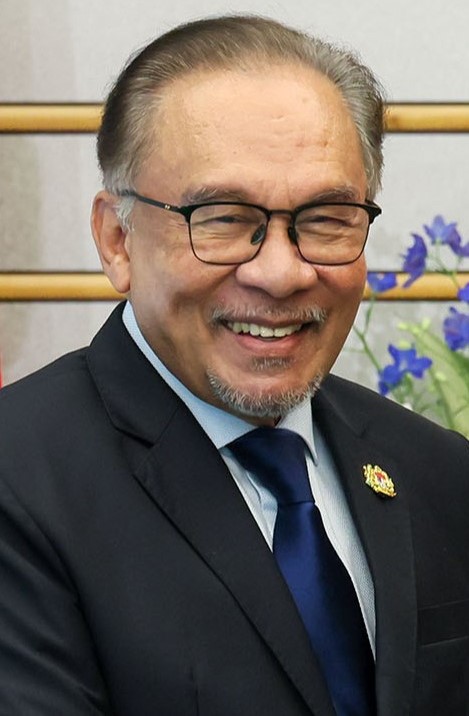
Prime Minister Datuk Seri Anwar Ibrahim hosted Bangladesh Prime Minister Tarique Rahman at an official luncheon at the Seri Perdana Complex in Putrajaya on Saturday, welcoming the visiting delegation with ceremonial flourish and culinary gestures that underscored the warmth of bilateral relations. The occasion marked a significant moment in Malaysia-Bangladesh diplomatic engagement, as it represented Rahman's inaugural bilateral venture overseas since he took the reins of his nation's government in February this year.
The menu itself carried symbolic weight, blending the iconic "king of fruits" from Malaysia's orchards with jackfruit specially imported from Bangladesh. This culinary selection spoke volumes about efforts to celebrate both nations' agricultural heritage and cultural identities, transforming the formal state function into a more intimate cultural exchange. The choice of these fruits reflected deliberate diplomatic messaging aimed at highlighting shared tropical abundance and the complementary nature of the two countries' economies.
Arriving together in the same vehicle at 11:50 am, the two prime ministers were greeted with enthusiastic welcomes from students representing a cross-section of Malaysian educational institutions. Representatives from Sekolah Kebangsaan Presint 8(2) in Putrajaya, Sekolah Menengah Kebangsaan Dengkil, SMK Agama Sungai Merab, Sekolah Menengah Sains Selangor, and Sekolah Menengah Agama Persekutuan Kajang assembled to extend their greetings. This inclusion of student delegations served a dual purpose: it provided ceremonial grandeur while also symbolising the connection between youth in both nations and their governments' commitment to fostering the next generation of bilateral relations.
The cultural programme added another layer to the proceedings, with performers from Istana Budaya delivering a traditional welcoming dance for the Bangladeshi delegation. Beyond the formal procession and presentations, the luncheon expanded to include the spouses of both leaders—Dr Zubaida Rahman and Datuk Seri Dr Wan Azizah Wan Ismail—in a gesture that personalised what could otherwise have remained a strictly governmental affair. The presence of family members typically signals the importance and warmth a host nation places on its visiting dignitary.
The Malaysian government mobilised its senior ministerial roster to underline the significance of the occasion. Foreign Minister Datuk Seri Mohamad Hasan, Home Affairs Minister Datuk Seri Saifuddin Nasution Ismail, Investment, Trade and Industry Minister Datuk Seri Johari Abdul Ghani, Human Resources Minister Datuk Seri R. Ramanan, Minister in the Prime Minister's Department (Religious Affairs) Dr Zulkifli Hasan, and Chief Secretary to the Government Tan Sri Shamsul Azri Abu Bakar all participated. This broad representation demonstrated Malaysia's commitment to engaging Bangladesh across multiple policy domains, from security and immigration to commerce and religious affairs.
The visit itself was preceded by formal protocol, with Tarique receiving an official welcome at the Perdana Putra Complex followed by bilateral discussions with Anwar. These preliminary engagements established the substantive diplomatic framework within which the luncheon event functioned, allowing both leaders to address key bilateral concerns before convening in the more relaxed setting of the meal. According to a statement from Wisma Putra, Malaysia's Foreign Ministry, the visit was explicitly designed to strengthen existing bonds between the nations and expand cooperation in domains of shared concern.
The economic dimensions of Malaysia-Bangladesh relations underscore why such high-level diplomatic attention matters for both countries. In 2025, bilateral trade reached RM12.18 billion, equivalent to approximately US$2.84 billion, representing substantial commercial interdependence. Malaysian exports to Bangladesh totalled RM10.08 billion, or roughly US$2.35 billion, with petroleum products dominating the export profile. This reliance on energy exports reflects Bangladesh's rapid industrialisation and growing energy demands as it pursues economic development.
Bangladeshi shipments flowing into Malaysia told a complementary story about regional economic specialisation. Imports from Bangladesh amounted to RM2.10 billion, approximately US$500 million, comprised predominantly of textiles, apparel, and footwear. This merchandise profile illustrates how Bangladesh's labour-intensive manufacturing sectors have become integrated into regional supply chains, supplying Malaysian consumers and retailers with clothing and footwear products. The composition of bilateral trade thus demonstrates how the two nations have found natural complementarity, with Malaysia as an energy exporter and Bangladesh as a supplier of manufactured consumer goods.
Within the broader Asian economic landscape, Bangladesh ranks as Malaysia's 28th largest trading partner globally, but its standing in South Asia is far more elevated. The country represents Malaysia's second-largest trading partner within South Asia, trailing only India, while simultaneously serving as the second-largest export destination and the second-most significant source of imports in that region. This positioning reflects Bangladesh's substantial economic weight in South Asia and its importance to Malaysian exporters and importers seeking South Asian markets and suppliers.
Tarique's visit comes as Bangladesh navigates its own significant political transition, having recently emerged from considerable domestic upheaval. For his government, the bilateral engagement with Malaysia and other regional partners carries importance in stabilising international relations and demonstrating Bangladesh's continued commitment to regional cooperation frameworks. For Malaysia, engaging with Bangladesh's new political leadership offers opportunities to reinforce economic ties and explore expanded cooperation across multiple sectors.
The luncheon in Putrajaya thus represented far more than ceremonial protocol or diplomatic courtesy. It embodied substantive engagement between two significant South and Southeast Asian nations, each with distinct roles in regional architecture. For Malaysian policymakers, Bangladesh represents both an important economic partner and a key regional player whose stability and development trajectories affect wider South Asian and Asian dynamics. The official reception accorded to Tarique signalled Malaysia's intention to deepen rather than merely maintain existing relationships, particularly as Bangladesh continues charting its political and economic course following recent internal transformations.