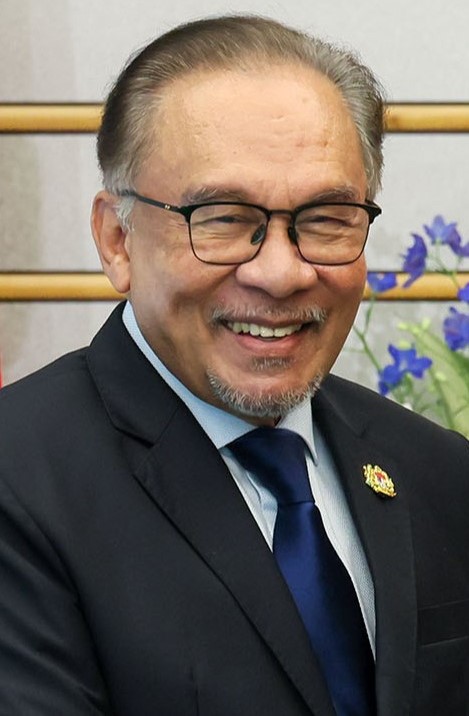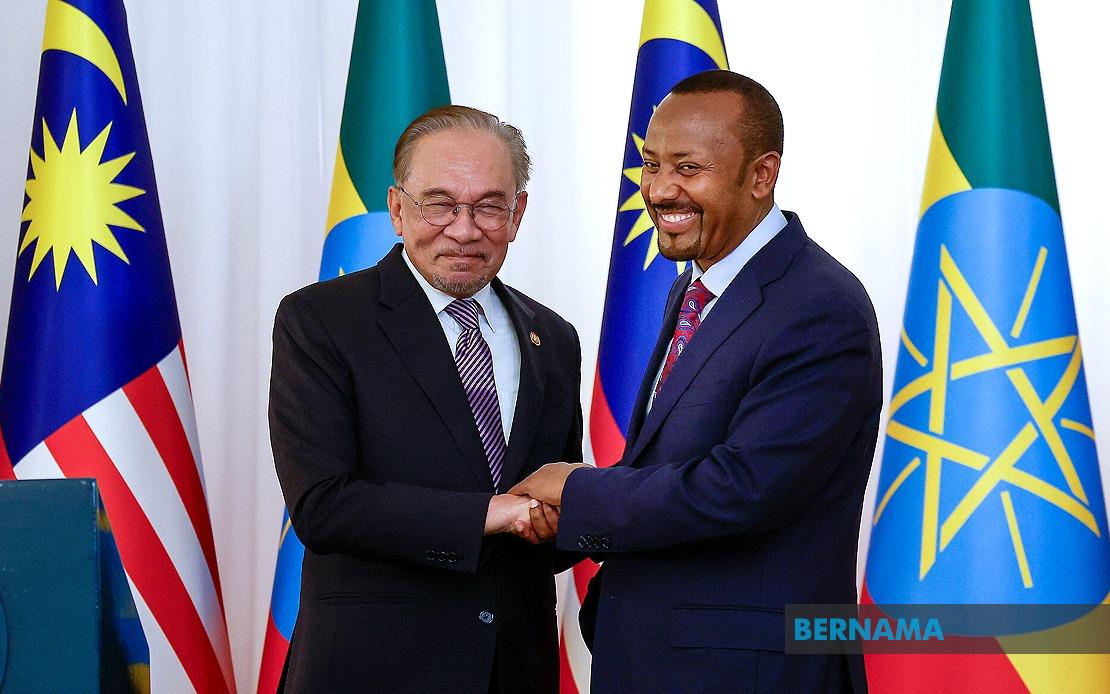
Prime Minister Datuk Seri Anwar Ibrahim has offered his felicitations to Ethiopian Prime Minister Abiy Ahmed Ali and the Prosperity Party following their decisive victory in Ethiopia's general election, underscoring the strengthening diplomatic ties between Kuala Lumpur and Addis Ababa. The congratulatory message, shared via Facebook on June 22, reflects Malaysia's commitment to deepening engagement across the African continent and signals continued momentum in bilateral relations forged during high-level visits in recent months.
Anwar's gesture carries particular significance given Malaysia's historical position within the Global South and its aspirations to position itself as a bridge-builder among developing nations. The Prime Minister drew on personal experience, recalling his landmark visit to the Ethiopian capital last year—a journey that represented the first time a sitting Malaysian leader had travelled to Addis Ababa in an official capacity. The symbolism of that visit extended beyond ceremonial protocols, as Anwar sought to establish direct lines of communication with one of Africa's most influential political figures and to explore avenues for deeper cooperation across multiple sectors.
In his statement, Anwar emphasised the philosophical alignment he discovered during his discussions with Abiy, noting that their conversations revealed shared perspectives on global affairs and the strategic imperatives facing developing economies. This common ground proved fertile territory for bilateral engagement, moving beyond the traditional framework of diplomatic niceties to establish what both leaders framed as a partnership rooted in mutual recognition and equal standing. The Prime Minister's characterisation of this relationship as one between equals reflects a broader Malaysian foreign policy emphasis on South-South cooperation—a concept that has gained particular traction within Malaysian political circles in recent years.
The Ethiopian election victory carries regional implications that extend well beyond the immediate bilateral relationship. Abiy Ahmed's Prosperity Party consolidated power in a nation that occupies a pivotal position within African geopolitics, commanding influence over continental affairs through its hosting of the African Union headquarters in Addis Ababa. For Malaysia, which maintains strategic interests in African development and integration, having a friendly administration in control in Ethiopia presents opportunities for advancing shared agendas within continental forums and development initiatives.
Abiy's election success, following significant political turbulence in Ethiopia in preceding years, also provides stability that facilitates the kind of sustained diplomatic engagement that Anwar referenced. The Prime Minister indicated that Malaysia and Ethiopia had initiated several collaborative projects and strategic initiatives during the previous visit, suggesting that both nations had moved swiftly from symbolic gestures toward concrete cooperative arrangements. These preliminary efforts now have a platform for expansion under a government that enjoys renewed electoral legitimacy.
For Malaysia's broader African strategy, the relationship with Ethiopia assumes importance beyond traditional bilateral metrics. Africa represents an emerging market and a demographic powerhouse, with a combined population exceeding one billion people and economies displaying considerable growth potential. Malaysian businesses, particularly in palm oil, manufacturing, and financial services, view the continent as increasingly significant for commercial expansion. Having a strong relationship with Ethiopia, a country of over 120 million people and growing economic influence, provides Malaysia with networking advantages and market entry opportunities that cascade across East African and continental markets.
The timing of Anwar's congratulatory message also reflects diplomatic protocol and pragmatism. By publicly acknowledging Abiy's electoral success at an early stage, Anwar reinforces Malaysia's support for the Ethiopian government and signals continuity in bilateral relations. This approach proves especially valuable given the complex political landscape across the continent, where nations must navigate carefully between different competing interests and power blocs. Malaysia's consistent engagement with stable, democratically-oriented administrations like Abiy's aligns with Kuala Lumpur's foreign policy preferences and its image as a responsible stakeholder within international affairs.
The reference to carrying forward initiatives established in the previous year indicates that Malaysia and Ethiopia have already identified priority areas for cooperation. These might encompass trade and investment promotion, educational exchanges, capacity-building programmes, or coordination within multilateral forums where both nations maintain representation. Such initiatives, though not detailed in the Prime Minister's statement, form the substance beneath the diplomatic language and demonstrate that Malaysian engagement with Ethiopia transcends ceremonial visits.
Looking forward, Ethiopia's political stability and Abiy's continued leadership create conditions favourable for deepening Malaysian involvement across the continent. The Global South concept that Anwar emphasised carries particular resonance during a period of geopolitical realignment, as developing nations increasingly recognise the necessity of coordinating their interests and amplifying their collective influence within international institutions and negotiations. Malaysia, positioned at the intersection of Asia, the Indian Ocean region, and beyond, possesses distinctive assets that complement African development aspirations, from technological expertise to institutional knowledge derived from its own development trajectory.
Anwar's engagement with African leaders and his deliberate cultivation of relationships across the continent reflect a strategic vision that extends Malaysian influence beyond its traditional geographic sphere. This outreach acknowledges that 21st-century power and influence increasingly depend on cultivating relationships across multiple continents and establishing Malaysia as a valued partner capable of contributing meaningfully to African development priorities. The congratulatory message to Abiy Ahmed thus represents far more than courtesy—it embodies a deliberate approach to repositioning Malaysia within evolving global structures and securing its place among nations shaping the future of the Global South.