A teenager is clinging to life in hospital after what authorities believe was a fall from a school building in Ipoh on Saturday afternoon. The incident, which unfolded at approximately 2.49 pm, has prompted an urgent police investigation and raised fresh concerns about student safety within educational institutions across Perak.
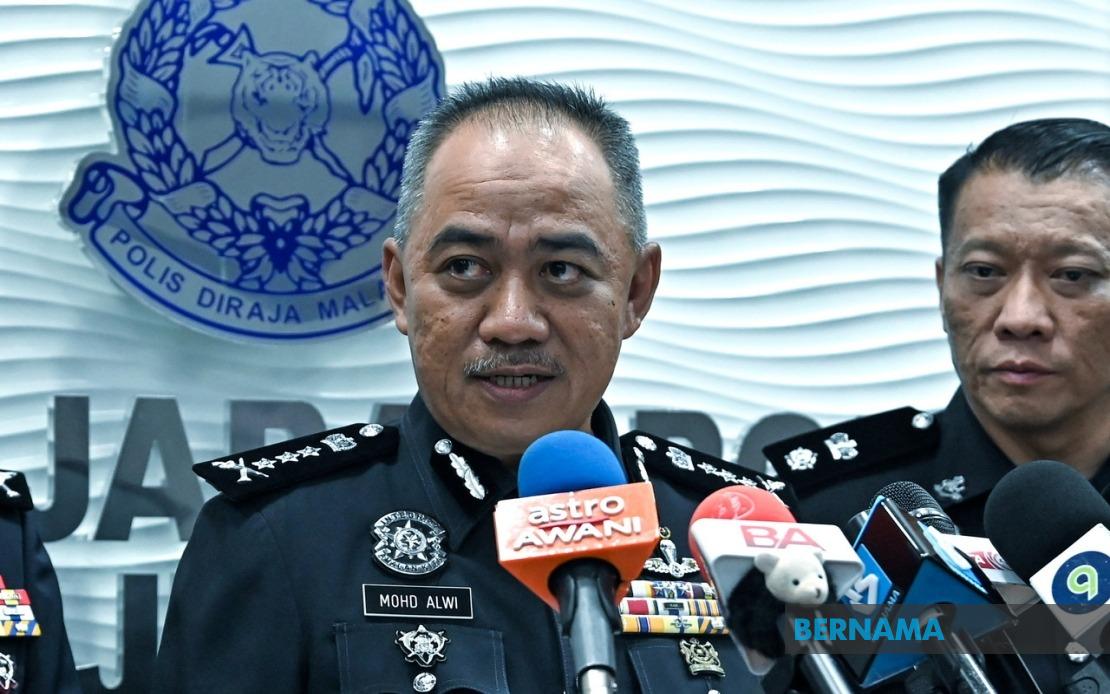
Peering insight into the emergency response came from Perak's top law enforcement official, Datuk Mohd Alwi Zainal Abidin, who confirmed that the Ipoh district police headquarters received notification through the MERS 999 emergency hotline. First responders, including both police officers and medical teams, mobilized swiftly to the scene to stabilize the wounded boy and begin preliminary fact-finding efforts. The gravity of his injuries necessitated immediate transfer to Raja Permaisuri Bainun Hospital, where doctors continue providing intensive care as his condition remains precarious.
At this juncture, authorities are restraining from drawing hasty conclusions about what transpired. The police chief emphasized that investigators are meticulously gathering accounts from those present at the school and methodically examining all available evidence to construct a coherent picture of events. No definitive cause has been established, meaning speculation about whether this was accidental, intentional, or something else entirely remains premature and potentially harmful to the ongoing inquiry.
The appeal to public restraint reflects a legitimate concern about misinformation spreading through social media and word-of-mouth. In Malaysia's digital landscape, unverified narratives can proliferate with extraordinary speed, often complicating official investigations and distressing families already enduring immense trauma. Authorities recognize that rumor and conjecture can derail productive investigative work and inflame community tensions unnecessarily.
School safety incidents involving minors typically trigger broader conversations about institutional safeguards and the duty of care institutions owe their charges. Perak, as a state with significant student populations spread across urban and rural secondary schools, faces the same pressures as other Malaysian jurisdictions to ensure robust protective measures are embedded throughout campus infrastructure. Guardrails, supervision protocols, mental health support systems, and emergency response mechanisms all come under scrutiny when such tragedies occur.
The police commitment to transparency and thoroughness offers some reassurance that this investigation will not be perfunctory. Datuk Mohd Alwi's undertaking to release periodic updates suggests authorities understand the legitimate public interest in understanding how such an incident could happen and what safeguards might be strengthened going forward. Families considering which schools to enroll their children in, and parents of current students, naturally want confidence that their institutions prioritize student welfare.
For the boy's family, the next hours and days represent an agonizing vigil. Medical teams will work to stabilize his condition and assess the full extent of injuries sustained in what appears to have been a significant fall. Simultaneously, they navigate the emotional devastation of having a child hospitalized under such disturbing circumstances, compounded by media attention and the knowledge that a full investigation into what happened is only beginning.
The school community itself faces an unsettling period ahead. Staff members who may have witnessed the incident or provided first aid will likely undergo formal questioning. Students who observed something, or who simply attend the institution, will process the trauma of knowing a classmate sustained life-threatening injuries on campus grounds. Educational leaders must balance their cooperation with authorities while supporting the psychological wellbeing of their broader school population.
While awaiting conclusive findings, it remains vital that the public respect both the privacy of the injured student and his family, as well as the integrity of the investigative process. Datuk Mohd Alwi's reminder that the school itself deserves consideration during this distressing period underscores the reality that institutions can become temporary focal points for community anxiety without necessarily bearing responsibility for tragic accidents. That said, once investigations conclude, any systemic weaknesses revealed must be addressed with urgency.
The incident also illuminates the importance of mental health resources within schools. Should investigation ultimately reveal that this was a deliberate act rather than an accident, it would underscore the necessity of counselors, trusted adults, and intervention pathways that can identify and support young people in crisis. Malaysia's secondary schools, already stretched across multiple demands, must prioritize accessible mental health support alongside physical safety measures.
For Southeast Asian readers monitoring this story, the incident serves as a reminder that student welfare challenges transcend borders and national contexts. Educational institutions across the region grapple with similar tensions between freedom and safety, between preserving open campuses and installing protective infrastructure. How Malaysia's authorities handle investigation and any resulting institutional reforms could offer lessons for neighboring countries facing comparable concerns about school safety and youth wellbeing.

